Summary
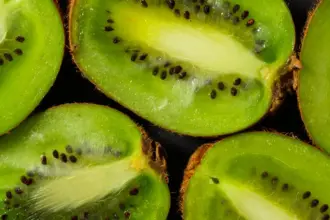
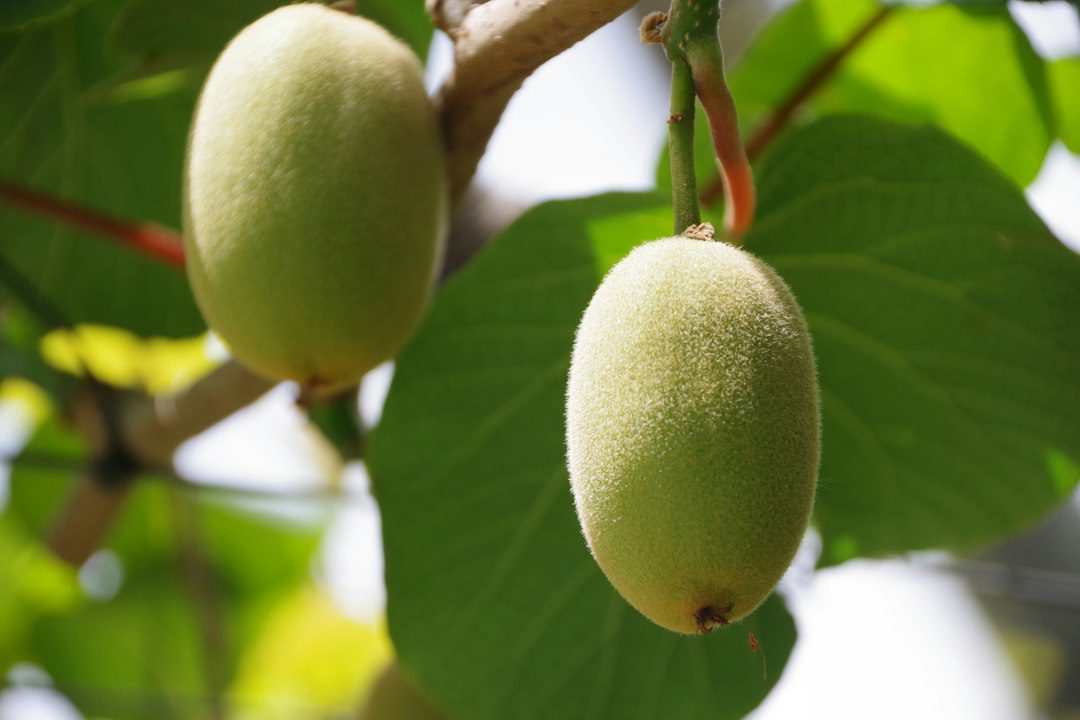
Kiwifruit originated in China, with seeds taken to New Zealand in 1904. Local merchants, concerned about export trade, renamed Chinese gooseberry to kiwifruit (borrowing the name of the native bird kiwi). According to 2024 statistics, China's kiwifruit production is about 2.15 million tonnes, while New Zealand's is about 670,000 tonnes, a difference of more than three times.
China remains the world's largest producer. However, in international markets, New Zealand's Zespri has become a globally renowned kiwifruit brand, with its SunGold variety commanding high premiums in many markets. In the 1980s, New Zealand's kiwifruit planting scale expanded rapidly, and countries like Italy and Chile also began developing kiwifruit exports.
Intensified competition led to falling prices, and by 1987, over 90 percent of growers were operating at a loss. In 1988, New Zealand growers voted to establish a 'unified export marketing system', where growers each cultivated their own crops but exported collectively. This gradually evolved into today's Zespri.
In 1997, Zespri International Limited was formally established. Zespri is owned and controlled by growers and enjoys a special export status granted by New Zealand law: under regulations, kiwifruit produced in New Zealand, except for Australia, must in principle be exported through Zespri, while other companies require approval. Therefore, Zespri's success cannot be simply attributed to brand marketing; it is backed by a whole set of industry organisation and national-level legal support.
Commentary
Zespri's rise offers a model of industry organisation and brand building for New Zealand SMEs. The global kiwifruit market has long been dominated by Zespri, whose brand premium far exceeds that of Chinese domestic kiwifruit, even though China's production is more than three times that of New Zealand. Zespri's special export status stems from growers' collective self-rescue during a price war in 1988, when a unified export system was established through legislation, avoiding internal competition and concentrating resources on global marketing and quality control.
For NZ SMEs, this suggests that in agriculture, which is highly export-dependent, a cooperative model and legal framework can create a moat. On the other hand, the Zespri model also faces challenges: producers in China, Italy, and Chile are accelerating variety improvement and branding, and Zespri needs to continuously invest in R&D (such as patented varieties like SunGold) to maintain differentiation. If New Zealand SMEs want to enter the Chinese market, they could focus on niche categories not covered by Zespri, or leverage tariff preferences under the China-NZ FTA, but they need to be aware of low-price competition and channel barriers from local Chinese brands.
Zespri's case shows that brand premium relies not only on marketing but also on supply chain integration and institutional design, which is an important lesson for resource-limited SMEs.
Keywords: Zespri, kiwifruit, Chinese gooseberry, New Zealand, unified export marketing system, SunGold, brand, export, growers
Source: Huxiu
Disclaimer: This article is compiled from publicly available sources for general information only. The analysis and commentary are editorial opinions. MiDeer Observer does not guarantee the accuracy or completeness of the information provided. Readers should seek independent professional advice before relying on this content, or contact us for more information.