Summary
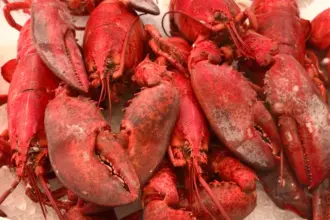
The eighth China International Import Expo opened in Shanghai on 5 November 2026, with seafood companies owned by a New Zealand Māori tribe among the exhibitors. CCTV reporters visited a Ngāi Tahu Seafood processing site in New Zealand, showcasing the characteristics of New Zealand rock lobster — no large claws and particularly long antennae. Aaron Nuttall, general manager of the group's seafood business, said that on arrival the lobsters are held in purified seawater for about two days to relieve transport stress, restore condition and ensure stable export quality.
Before departure, each lobster is checked for limb integrity, complete antennae and vitality. Those that pass are packed into ventilated foam boxes, with 4 to 22 per box depending on grade, and then loaded onto aircraft for direct flights to China. Georgia Brown, the lobster processing factory manager, said that from the production stage, it takes at most 24 hours from leaving the factory to reaching the Chinese market.
The company has traded with the Chinese market for more than 20 years and hopes to use the CIIE platform to introduce more Chinese consumers to South Pacific seafood and the close connection between Māori people and the ocean.
Commentary
New Zealand's rock lobster industry is highly dependent on the Chinese market. As one of the main quota holders in the South Island, the Ngāi Tahu tribal enterprise's export strategy reflects the extreme demands of high-end seafood for timeliness and quality. The 24-hour logistics capability from factory to Chinese dining tables relies on direct air cargo and cold-chain coordination between Christchurch and cities such as Shanghai, offering a supply-chain template that small and medium-sized NZ seafood exporters can learn from.
The CIIE is not only a showcase window but also a low-cost channel for testing new products and connecting with distributors in second- and third-tier cities. However, China's import inspection and quarantine standards for live seafood are tightening, and competition has intensified since Australian rock lobster returned to the Chinese market. NZ companies need to strengthen sustainable fishing certification and traceability systems beyond their 'pure, Māori cultural narrative' to maintain a premium through differentiation.
For NZ SMEs, paying attention to Chinese e-commerce platforms' traffic support policies for high-end seafood may be more valuable in the long term than relying solely on exhibition orders.
Keywords: CIIE, New Zealand rock lobster, seafood, Ngāi Tahu, Māori tribe, Chinese market, holding, cold-chain logistics
Photo by SONIC on Pexels
Source: Overseas Network
Disclaimer: This article is compiled from publicly available sources for general information only. The analysis and commentary are editorial opinions. MiDeer Observer does not guarantee the accuracy or completeness of the information provided. Readers should seek independent professional advice before relying on this content, or contact us for more information.