Summary
The second annual meeting of the Tourism and Broad Service Industries Sub-committee of the China-New Zealand Vocational Education Development Alliance was held at Qingdao Technical College on 12 October, bringing together representatives from Chinese and New Zealand institutions, research bodies and enterprises to discuss training technical and skilled talent for tourism and the broad service industries. Qingdao Technical College and Toi Ohomai Institute of Technology have worked together for 18 years, since the Tourism Management (China-New Zealand cooperative) programme began enrolling students in 2009. Thirty-four students have been selected to study in New Zealand, 23 have earned overseas bachelor's degrees, 587 students have gained international project learning experience, and the employment rate has held at 95 percent over the past five years.
The programme strictly follows the Regulations on Chinese-Foreign Cooperation in Running Schools and operates under a management model of 'Chinese side as the main body, supervision by both sides'. In 2023 it was selected for Shandong Province's demonstration project for Chinese-foreign cooperative education, one of only four higher vocational colleges in the province to receive such approval that year. Wang Yuanyuan, dean of the Tourism College, said the Chinese side leads curriculum design, faculty recruitment and teaching evaluation.
The programme has built a 'three-stage progressive, China-foreign integrated' training system with two pathways: domestic employment and overseas further study. Four course standards developed independently by the college — Basic Qualities and Core Skills for Tourism and Hotels, Hotel Workplace English, Innovative Thinking Training, and Tourism English Viewing, Listening and Speaking — have been certified by Toi Ohomai Institute of Technology, Tampere University of Applied Sciences in Finland, and Zhongyu International Tourism Co. Ltd of the UAE.
The college has sent 13 groups totalling 31 teachers to New Zealand for training, with seven teachers obtaining teaching qualifications recognised by the New Zealand Qualifications Authority (NZQA), and has provided teacher training to nearly 1,600 person-times for sister institutions in China. The CBL project teaching model won a second prize in the National Teaching Achievement Awards, and the experience has been promoted to more than 500 institutions nationwide. As the Chinese lead unit of the sub-committee, the college has hosted several China-New Zealand vocational education forums and other events, and the sub-committee's membership has expanded.
Commentary
The 18-year partnership between Qingdao Technical College and Toi Ohomai Institute of Technology is a microcosm of the internationalisation of China's vocational education. The programme has trained 587 students with international learning experience, maintained a 95 percent employment rate over the past five years, and exported four course standards certified by New Zealand, Finland and the UAE — marking a shift in Chinese higher vocational education from 'importing' to 'exporting'. For New Zealand small and medium-sized business owners, this cooperation not only means a more diverse supply of talent for tourism and the broad service industries, but could also bring new opportunities for China-New Zealand trade in vocational education services.
New Zealand's tourism and hospitality sectors have long faced skills shortages, and graduates of Chinese vocational colleges with bilingual abilities and international perspectives could become a potential recruitment source for New Zealand firms. At the same time, New Zealand education providers can enhance their brand influence in Asian markets by exporting course standards and teacher training through such partnerships. However, the 'Chinese side as the main body' management model may prompt discussion about academic independence and cultural integration, and New Zealand partners need to adapt to the regulatory requirements of China's education system while maintaining their own educational characteristics.
From an industry perspective, global vocational education is accelerating cross-border flows, and China, as one of the largest vocational education markets, will see its standards exports shape the skills training landscape in the Asia-Pacific. New Zealand SMEs in tourism, hospitality or education services could watch for internship, employment and joint training opportunities arising from such cooperation, particularly in promoting New Zealand's practical teaching resources in the Chinese market. The experience of the Qingdao project has been extended to more than 500 institutions nationwide, meaning more Chinese vocational colleges may seek partnerships with New Zealand institutions in future, creating demand for New Zealand's education consulting, curriculum design and teacher training services.
Keywords: China-New Zealand vocational education, Qingdao Technical College, tourism management cooperative education, course standards going global, Toi Ohomai Institute of Technology, teacher training, CBL teaching model, sub-committee annual meeting
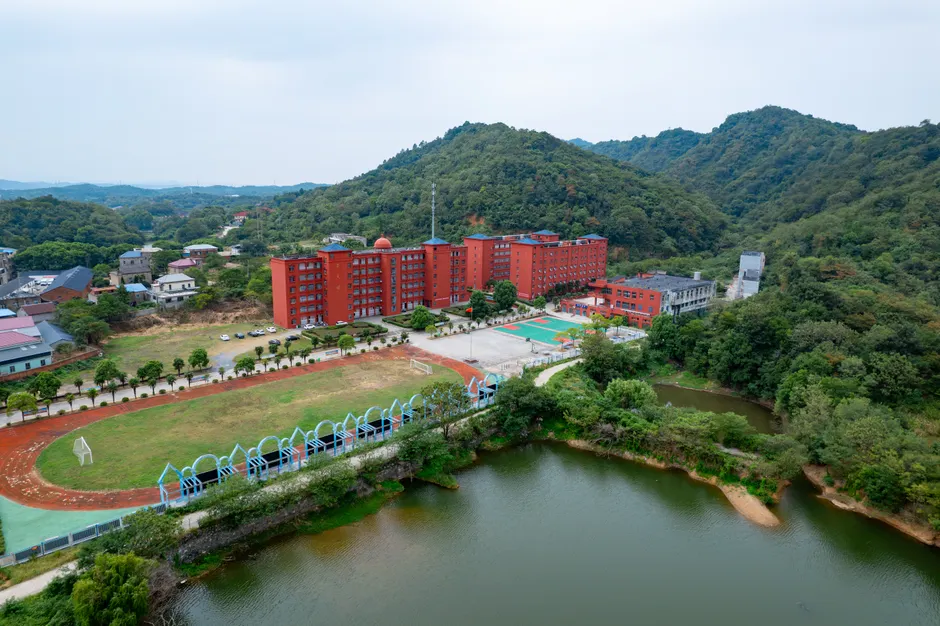
Photo by jason hu on Pexels
Source: Modern Higher Vocational and Technical Education Network
Disclaimer: This article is compiled from publicly available sources for general information only. The analysis and commentary are editorial opinions. MiDeer Observer does not guarantee the accuracy or completeness of the information provided. Readers should seek independent professional advice before relying on this content, or contact us for more information.