Summary
Growers have described the past season as 'phenomenal', with excellent fruit quality and returns exceeding recent years, NZAPI chief executive Danielle Adsett said. NZAPI's 2026 annual report shows total exports jumped to NZ$1.26 billion in 2025, up 27 percent from NZ$993 million the previous year, with volumes rising from 19.1 million cartons to 21.4 million cartons. Returns for the year to the end of June 2026 are expected to exceed NZ$1.3 billion.
Yet behind the strong headline numbers, several orchard businesses have failed: Rockit apple grower Rākete Orchards entered voluntary administration in 2025 owing about NZ$12 million; Mana Orchards owes about NZ$6.6 million to Bank of New Zealand; South Pacific Growers entered receivership in June with liabilities of NZ$26 million; and both Kiwi Crunch Hawke's Bay and Crasborn Fresh Harvest collapsed in July, with Kiwi Crunch placed in liquidation over NZ$19 million in unpaid tax. NZAPI said land from failed orchards has not been lost but has moved to stronger operators through sale, lease or variety renewal. The number of registered growers fell from 943 to 937, while export tonnage rose from 344,707 tonnes to 386,106 tonnes.
The number of exporters shipping more than one container increased from 58 to 60, and more than half of the national variety mix is now licensed intellectual property. Paul Paynter, managing director and owner of The Yummy Fruit Company, warned another round of consolidation is highly likely and said it 'could take another decade' to move past the shadow of Cyclone Gabrielle. Taylor Corp Apple rebuilt a highly automated facility after its packhouse was destroyed by the cyclone in 2023; its Napier packhouse can process 12,000 to 14,000 cartons a day, or about 3,000 apples a minute, doubling tonnage while keeping its workforce at about 400.
Chris Kerr, chief transformation officer at the Ministry for Primary Industries, called automation the 'absolute core' of the industry's growth targets.
Commentary
The New Zealand apple industry is undergoing a deep shake-up: exports hit a record NZ$1.26 billion in 2025, up 27 percent year on year, yet well-known orchard businesses such as Kiwi Crunch and South Pacific Growers have gone into liquidation. The apparent contradiction signals accelerating consolidation. NZAPI data shows registered growers fell from 943 to 937 while export tonnage rose from 345,000 tonnes to 386,000 tonnes, indicating that land and capacity are concentrating among larger operators.
For small and medium-sized New Zealand business owners, this is both a warning and a lesson: with labour accounting for 60-70 percent of on-farm capital expenditure, automation has become the competitive dividing line. Taylor Corp Apple's rebuilt packhouse can handle 12,000 to 14,000 cartons a day with a workforce of about 400, a significant efficiency gain. Not every business can afford such heavy capital investment, however, and small orchards that cannot differentiate through variety innovation or niche markets may struggle to avoid being consolidated.
From a trade perspective, strong growth in NZ apple exports has been partly helped by market substitution arising from US tariffs on Chinese apples, but that external benefit is uncertain. China is an important market for NZ apples, and consumer preferences there are shifting from traditional varieties to licensed intellectual property varieties; more than half of the national variety mix is now licensed, meaning companies holding new variety rights can command higher premiums. SMEs should look at variety licensing partnerships or joint marketing to reduce the risks of going it alone.
The long-term impact of Cyclone Gabrielle also persists, with Paul Paynter warning the industry may need another decade to fully recover, a reminder that businesses must invest in climate resilience. The future of the NZ apple industry belongs to operators who can balance scale efficiency with risk management, and the path to survival for SMEs may lie in deepening niche markets or joining stronger supply chain alliances.
Keywords: New Zealand apples, record exports, orchard insolvencies, industry consolidation, NZAPI, Rākete Orchards, automation, Danielle Adsett, Paul Paynter, licensed varieties
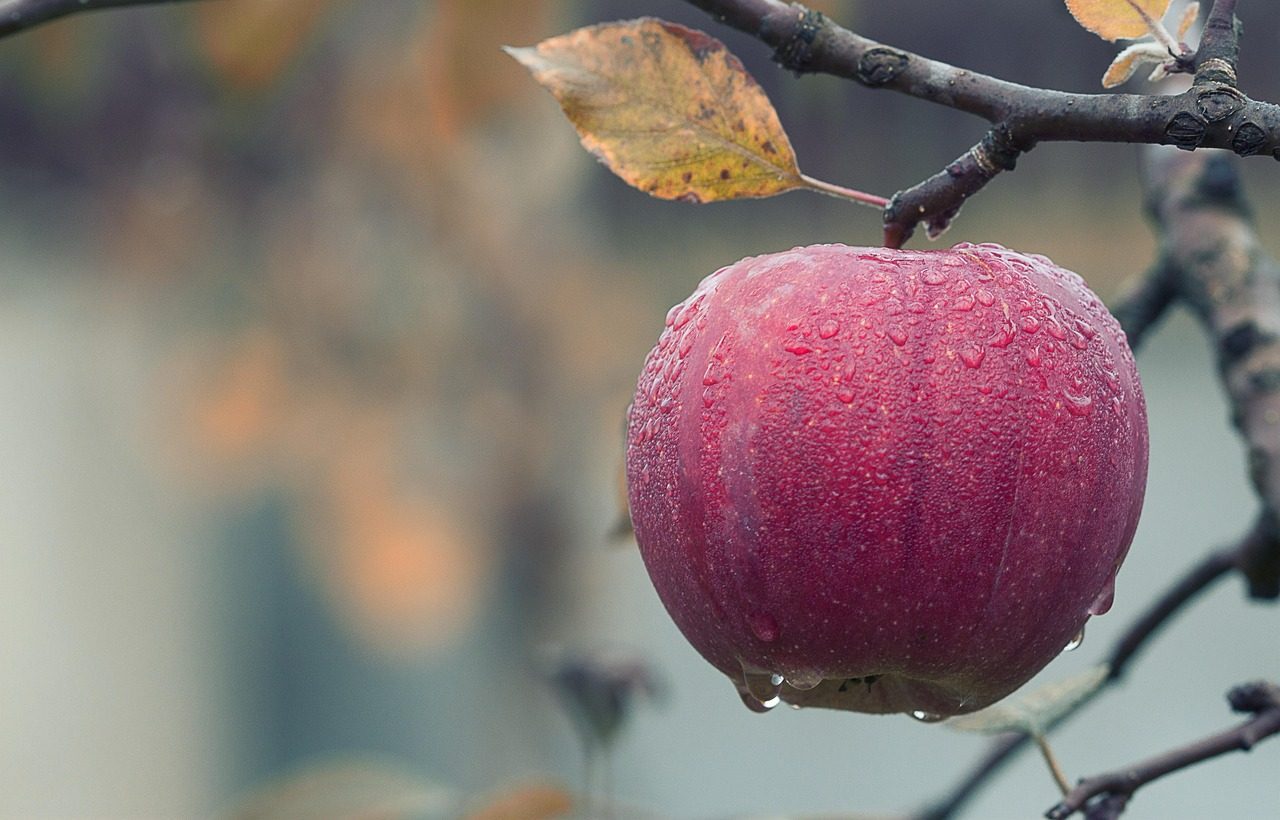
Photo by mploscar on Pixabay
Source: Asiafruit
Disclaimer: This article is compiled from publicly available sources for general information only. The analysis and commentary are editorial opinions. MiDeer Observer does not guarantee the accuracy or completeness of the information provided. Readers should seek independent professional advice before relying on this content, or contact us for more information.