Summary
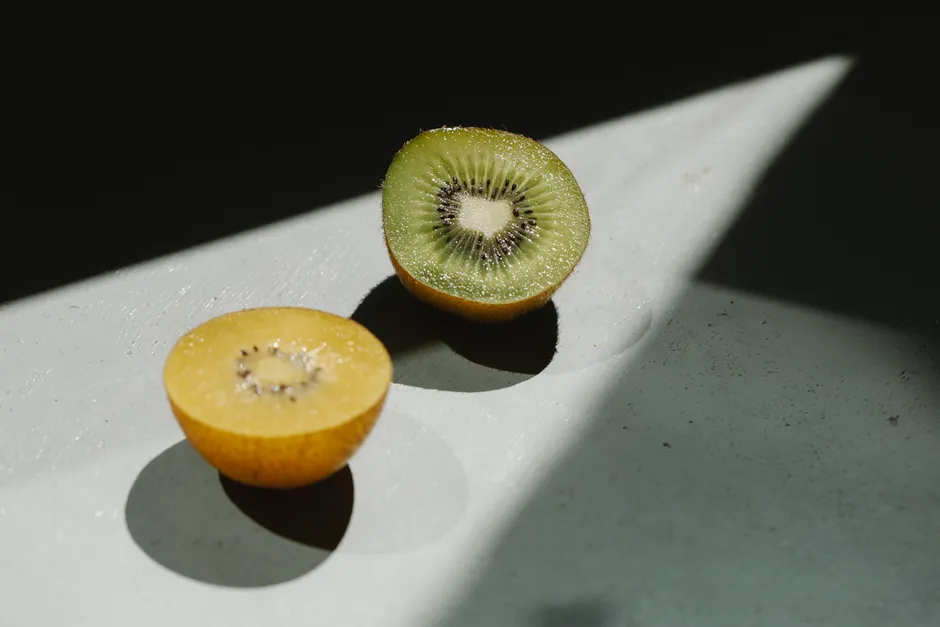
China is the birthplace of the kiwifruit. New Zealanders took the seeds, bred the fruit into kiwifruit and patented varieties including SunGold and the red kiwifruit, meaning Chinese growers must buy licences to plant them. After Zespri was formed in 1997, the New Zealand government ruled that growers could not sell kiwifruit into international markets on their own: all national kiwifruit export rights sit with Zespri, leaving growers to focus on production.
In the 2023/24 financial year, Zespri booked global sales of nearly NZ$4 billion, about RMB 18 billion. China took 25 percent of that global revenue, making it Zespri's largest market worldwide and generating billions in foreign exchange for New Zealand each year. One in every three kiwifruit exported worldwide comes from New Zealand's Zespri, and a single fruit can fetch 10 yuan.
China grows more than half the world's kiwifruit but lacks a national brand, with farm-gate prices falling below 3 yuan a jin. In 2020, Zespri took a Chinese grower to court for planting Zespri vines in China, and the grower was ordered to pay RMB 55 million in damages.
Commentary
Zespri's global sales reached nearly NZ$4 billion in the 2023/24 financial year, with China contributing 25 percent, or about NZ$1 billion, to remain its largest single market. For small and medium-sized New Zealand businesses, Zespri's statutory export monopoly limits direct participation in kiwifruit exports, but there is still scope to work with the local supply chain in growing, packing, cold chain and farm inputs. Zespri uses variety patents and centralised quality control to push unit prices to 10 yuan a fruit, while China produces more than half the world's kiwifruit at farm-gate prices below 3 yuan a jin, a gap that reflects branding and post-harvest handling.
Zespri's plant variety rights case in China, which saw a grower ordered to pay RMB 55 million in 2020, signals stronger intellectual property enforcement there, giving New Zealand horticultural firms with patents clearer protection expectations, though geopolitics and domestic-substitution sentiment still warrant caution on market volatility. New Zealand firms should watch the branding progress of Chinese domestic kiwifruit: if varieties such as Cuixiang and Xuxiang gain ground through e-commerce and cold chain, Zespri's premium share could come under pressure, and related New Zealand service providers would be wise to diversify export markets early.
Keywords: kiwifruit, Zespri, Zespri kiwifruit, New Zealand, Chinese kiwifruit, branding, patents, exports
Source: Observer Network
Disclaimer: This article is compiled from publicly available sources for general information only. The analysis and commentary are editorial opinions. MiDeer Observer does not guarantee the accuracy or completeness of the information provided. Readers should seek independent professional advice before relying on this content, or contact us for more information.