Summary
New Zealand's apple industry has staged a strong recovery from Cyclone Gabrielle in 2023, with commercial production for the 2026/27 season forecast at 590,000 tonnes — back to pre-pandemic levels and the second-highest volume on record. Exports are expected to rise to 410,000 tonnes, driven mainly by demand from Asian markets, with China importing 91,349 tonnes between January and August 2026, up 17.74 percent year on year. The industry is shifting from traditional varieties such as Braeburn to premium specialty apples including Envy, Dazzle and Fuji, with Hawke's Bay remaining the main growing region.
Despite warmer and drier conditions expected in eastern growing regions from an approaching El Niño, export revenue is forecast to set a record NZ$1.25 billion, with strong growth also seen in India, Taiwan, Vietnam and Hong Kong. Meanwhile, exports to the European Union, the United Kingdom and the United States have declined, underscoring Asia's key role in the recovery of New Zealand's apple exports.
Commentary
New Zealand's apple industry has recovered strongly from the 2023 cyclone damage, with production for the 2026/27 season forecast at 590,000 tonnes — the second-highest on record — and exports expected to reach 410,000 tonnes, with export revenue tipped to exceed NZ$1.25 billion. The rebound has been driven mainly by Asian markets, especially China, which imported 91,349 tonnes of New Zealand apples in the first eight months of 2026, up 17.74 percent year on year. The industry is accelerating its shift from traditional varieties such as Braeburn to premium varieties including Envy, Dazzle and Fuji, and Hawke's Bay, as the main growing region, is making a significant contribution to the national recovery.
For small and medium-sized New Zealand business owners, this trend means supply chains are tilting further towards Asia, while falling exports to Europe and the US point to risks in traditional markets. Growth in the Chinese market is no accident: New Zealand apples have secured a place in China's premium segment on quality and brand, but China's domestic apple production is huge and price-sensitive, so small and medium-sized New Zealand exporters should focus on differentiated varieties and premium retail channels. At the same time, strong growth in emerging markets such as India and Vietnam offers opportunities to diversify risk.
However, warmer, drier weather from El Niño could affect production in eastern regions, and businesses need to manage climate risk. In addition, the varietal transition requires long-term investment, and smaller firms could consider partnering with larger growers or joining industry organisations to share resources. Heavy reliance on Asian markets also brings geopolitical and trade policy risks; businesses are advised to watch for tariff preferences under the Regional Comprehensive Economic Partnership (RCEP) and to explore a more diversified footprint across Asian markets.
Keywords: New Zealand apple industry, exports to China, 2026/27 season, Cyclone Gabrielle, record export revenue, premium specialty apples, Hawke's Bay, Asian markets
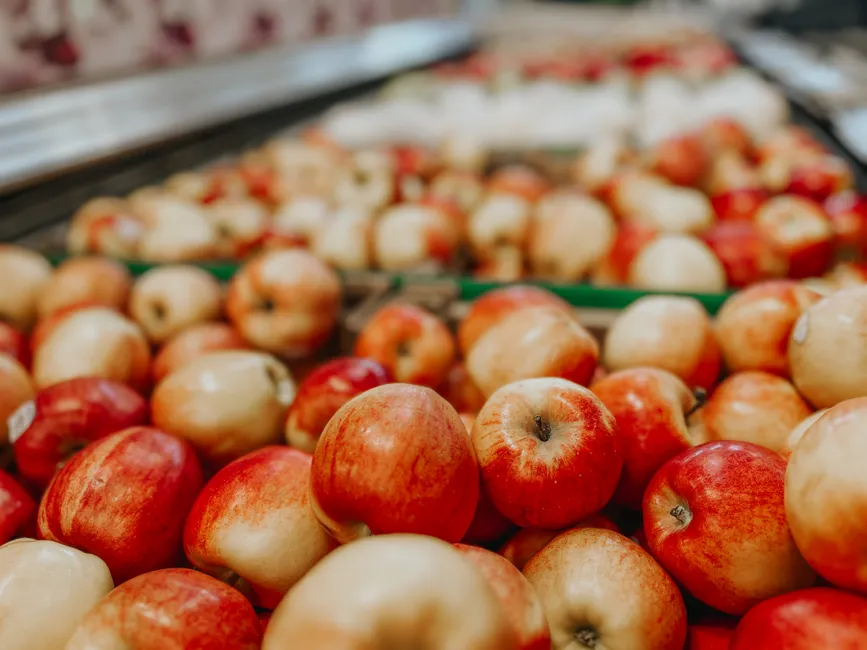
Photo by yudith djo on Pexels
Disclaimer: This article is compiled from publicly available sources for general information only. The analysis and commentary are editorial opinions. MiDeer Observer does not guarantee the accuracy or completeness of the information provided. Readers should seek independent professional advice before relying on this content, or contact us for more information.