Summary
New Zealand entrepreneur Andre's connection with Shenzhen began in 2007, when at 13 he spotted a cross-border opportunity, sourcing MP3 players, MP4 players, phone accessories and other electronics from Shenzhen for the New Zealand market. In late 2025 he formally relocated to Shenzhen to launch a full-time venture in international trade and product sourcing, acting as a bridge between overseas companies and Chinese suppliers with procurement matching, quality control and end-to-end trade solutions. He also founded the New Zealand-Greater Bay Area Network (NZGBA) to build a community for New Zealanders living in the Greater Bay Area, connect businesses on both sides and help prepare the New Zealand section of the 'Hello APEC · Shekou Culture Market', showcasing New Zealand products and culture to thousands of visitors.
Andre said New Zealand was the first developed country to sign a free trade agreement with China, a relationship that underpins his business, and that the NZ-China FTA offers substantial opportunities across multiple sectors. He sums up Shenzhen as 'speed, openness, opportunity', citing how quickly ideas become prototypes, the depth of its industrial clusters and the convenience of its Greater Bay Area location. With APEC 2026 to be held in Shenzhen, he hopes the event will give more New Zealanders a true, multidimensional view of the city, drive more two-way cultural and business dialogue and unlock the untapped potential between the Greater Bay Area and New Zealand.
Commentary
New Zealand entrepreneur Andre began sourcing electronics from Shenzhen at 13 to sell back home, and in late 2025 he formally relocated to the city to run a full-time business, a trajectory that reflects deeper shifts in the NZ-China trade relationship. As the first developed country to sign an FTA with China, New Zealand has long been dominated by primary exports such as dairy and timber, but Andre's path shows that Shenzhen's consumer electronics and smart hardware clusters are opening new value space for New Zealand's small and medium traders. His NZGBA platform essentially fills the people-to-people matching gap that official trade promotion agencies struggle to cover, and is particularly suited to SMEs with limited resources.
For NZ SMEs, Shenzhen and the Greater Bay Area offer two opportunities: using supply chain efficiency to iterate own-brand products quickly, and using the APEC Shenzhen 2026 window to test the China market at low cost through events such as culture markets. Yet the intensity of competition and pace of business in Shenzhen are far higher than in New Zealand, and SMEs without local partners can easily stumble on quality control and intellectual property protection. Behind Andre's 'speed, openness, opportunity' is Shenzhen's demand that entrepreneurs test and adjust quickly, a contrast with the steady rhythm New Zealand firms are used to.
From an industry perspective, cross-border e-commerce service providers in Shenzhen are already highly segmented, and pure procurement agency work yields thin margins; Andre's differentiation lies in layering community operations and cultural exchange on top, offering NZ SMEs a light-asset entry model worth studying. APEC 2026 in Shenzhen is expected to drive a wave of exposure for New Zealand brands, but whether that converts into sustained orders still depends on whether companies set up local teams or partners in advance.
Keywords: New Zealand entrepreneur, Shenzhen, APEC, Greater Bay Area, international trade, cross-border e-commerce, NZ-China FTA, people-to-people exchange
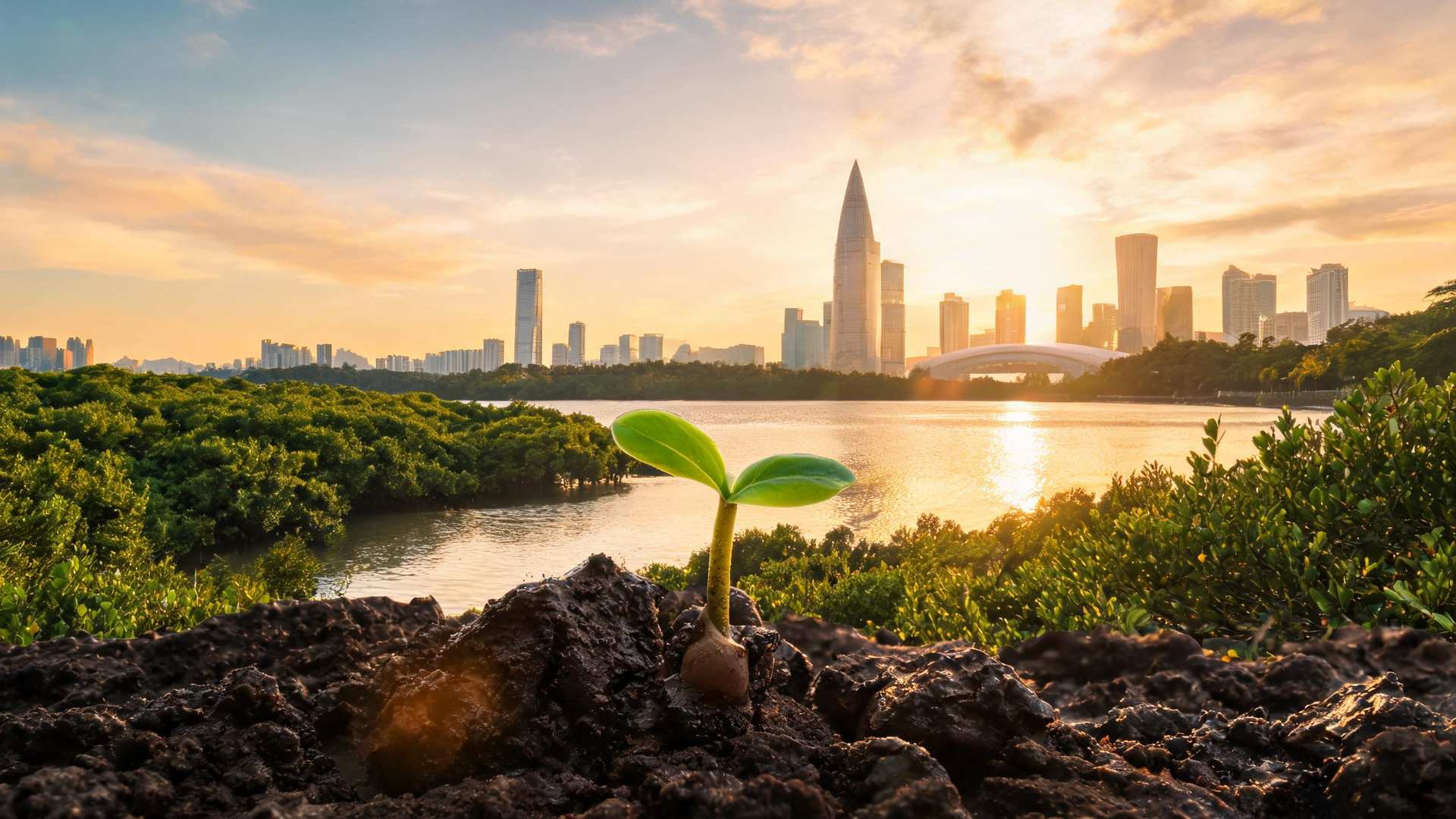
AI illustration on MiDeer Observer
Source: Shenzhen News Network
Disclaimer: This article is compiled from publicly available sources for general information only. The analysis and commentary are editorial opinions. MiDeer Observer does not guarantee the accuracy or completeness of the information provided. Readers should seek independent professional advice before relying on this content, or contact us for more information.