Summary
Global kiwifruit trade has hit a record high, with China dominating production and New Zealand leading exports. New Zealand's kiwifruit exports are valued at USD 2.09 billion, accounting for about 47 percent of the global total, at an average export price of USD 3.01 per kilogram. New Zealand ranks second in production with 667,792 tonnes, followed by Italy with 463,910 tonnes.
New Zealand is heading into another record season, expecting to sell 225 million trays, equivalent to about 810,000 tonnes. The continued development of Greece's kiwifruit industry, the ongoing expansion of yellow- and red-fleshed varieties, and New Zealand's trade record together reflect a market trend: competitiveness is shifting from reliance on production scale to the ability to differentiate products.
Commentary
Global kiwifruit trade has hit a new high, with New Zealand firmly in the lead with a 47 percent share of export value and an average export price of USD 3.01 per kilogram, well above other major exporters. Behind this data is the New Zealand kiwifruit industry's long-term commitment to varietal innovation and brand strategy. Zespri, as an industry benchmark, has transformed kiwifruit from a commodity into a high-value product through patented varieties such as SunGold and strict quality control.
For NZ SME owners, this highlights the importance of differentiated competition: in agricultural exports, pursuing volume alone is unlikely to sustain profits; variety rights, brand premiums and supply chain integration are key. At the same time, China's production dominance but limited export value suggests its kiwifruit mainly meets domestic demand, leaving room for growth in New Zealand's exports to China. However, Italy, Greece and other countries are also expanding yellow- and red-fleshed kiwifruit plantings, and competition is set to intensify.
New Zealand businesses should monitor changes in Asian demand for high-quality, specialty varieties, and consider partnering with local growers to leverage tariff preferences under the China-NZ free trade agreement and expand into second- and third-tier city retail channels. In addition, global supply chain volatility and climate risks could affect production, and SMEs are advised to build diversified sourcing and inventory strategies to cope with price fluctuations.
Keywords: kiwifruit, global trade, New Zealand, export value, production, China, Italy, yellow- and red-fleshed kiwifruit, product differentiation
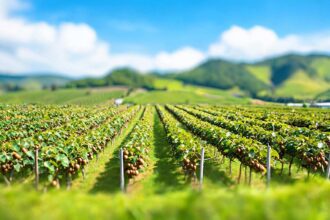
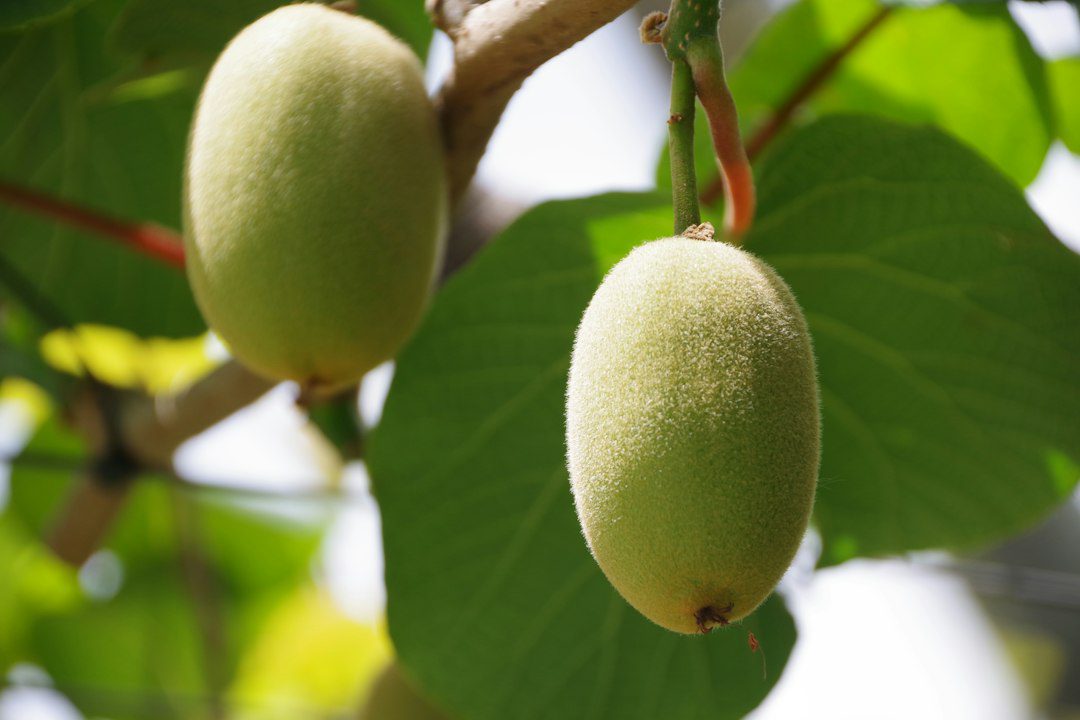
Photo by DD Wido on Unsplash
Source: Revista Fruit Today
Disclaimer: This article is compiled from publicly available sources for general information only. The analysis and commentary are editorial opinions. MiDeer Observer does not guarantee the accuracy or completeness of the information provided. Readers should seek independent professional advice before relying on this content, or contact us for more information.