Summary
The Ministry for Primary Industries has launched a full statutory review of the Dairy Industry Restructuring Act (DIRA), the 2001 legislation designed to stop Fonterra using its market dominance to suppress emerging competitors. Fonterra collected about 96% of New Zealand's raw milk when it was formed; its national collection share has since fallen to about 78%, as independent processors including Open Country Dairy and Synlait build processing capacity in the Waikato, Canterbury and Southland dairy regions. Dr Nic Lees, a senior lecturer in agribusiness management at Lincoln University, said the core policy question is whether removing DIRA's residual restrictions would genuinely lift long-term farmgate milk prices, preserve supplier choice and improve the industry's overall profitability.
The article cites economies of scale and co-operative ownership as arguments for easing operational constraints: competing in international commodity and ingredient markets requires heavy capital investment in stainless steel processing plants and a national tanker milk collection network, and the higher the milk volume, the lower the unit processing cost. Unlike investor-owned processors that maximise shareholder profit, Fonterra returns value directly to supplying farmers through farmgate milk payments and dividends. On the capital threshold, a farmer producing 300,000 kilograms of milk solids a year previously needed to hold 300,000 shares, valued at NZ$1.5 million at an illustrative price of NZ$5 per share.
After Fonterra's capital restructuring, the minimum holding fell to one share per 3 kilograms of milk solids, cutting the threshold to 100,000 shares, worth about NZ$583,000 at the November 2026 market price. Lees said suppliers in Northland and on the West Coast have far fewer commercially viable alternative processors than those in the central dairy regions, and that the 2020 open entry and exit protections have been partially relaxed. Under existing DIRA provisions, the Commerce Commission independently audits Fonterra's milk price calculation manual, creating a nationally transparent benchmark that competing processors must match or exceed.
Public submissions on the Ministry for Primary Industries' issues paper close on 7 December 2026, and a dedicated farmer experience survey is also in place.
Commentary
The review lands as Fonterra's milk collection share has fallen from 96% to 78%, with independent processors Open Country Dairy and Synlait having established capacity in core dairy regions such as Waikato and Canterbury. For NZ SME owners, loosening DIRA could reshape raw milk procurement. If Fonterra is allowed to optimise collection routes and plant utilisation, its lower processing costs may flow through to farmgate milk prices, but farmers in regions with weak competition, such as Northland and the West Coast, could see their bargaining power further eroded.
In industry terms, about 95% of New Zealand's dairy production is exported, with China the largest single market, and Fonterra's Greater China business accounts for about a quarter of its global revenue. With the lower capital threshold, the cost for small and medium farmers to enter Fonterra's shareholding has fallen from NZ$1.5 million to about NZ$583,000, reducing barriers to co-operative participation but potentially prompting some farmers to switch to independent processors with no shareholding requirement to free up cash flow. Of note, if the Commerce Commission's independent audit of the milk price calculation manual is weakened, the nationally transparent benchmark price could become ineffective, making it harder for independent processors to match prices and ultimately affecting farmers' choice.
Submissions close on 7 December, and SME owners should assess the intensity of processing competition in their dairy region: suppliers in the central dairy regions can expect more flexible commercial terms, while businesses in marginal regions need to watch for possible regionally differentiated pricing by Fonterra after regulatory relaxation.
Keywords: Fonterra, Dairy Industry Restructuring Act, statutory review, raw milk collection share, farmgate milk price, Commerce Commission, Ministry for Primary Industries, capital restructuring, independent processors, public consultation
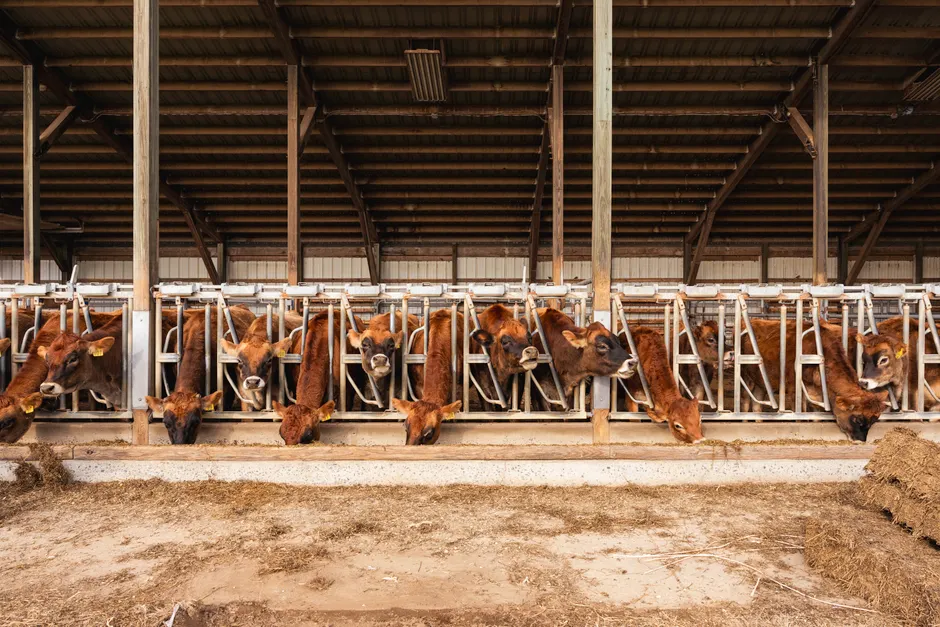
Photo by Jose Lopez on Pexels
Source: edairynews.com
Disclaimer: This article is compiled from publicly available sources for general information only. The analysis and commentary are editorial opinions. MiDeer Observer does not guarantee the accuracy or completeness of the information provided. Readers should seek independent professional advice before relying on this content, or contact us for more information.