Summary
A new wave of kiwifruit orchard conversions is sweeping through Bay of Plenty, with strong returns and global demand driving investors, corporates and existing growers to compete for land. Conrad Headland, rural sales consultant at Bower Real Estate, said the industry has rebounded strongly after several difficult years and demand seems insatiable. He said scale is increasingly important, with corporate investors no longer wanting 10-hectare blocks but 50-hectare properties, and some family orchards are also expanding, with syndication becoming a popular route into orchard ownership.
Most conversions involve dairy farms, though some drystock properties are also being repurposed; in the year to October, several agencies sold nine avocado orchards for conversion to kiwifruit, and about 100 horticultural properties changed hands in Tauranga and western Bay of Plenty. Headland said kiwifruit returns have risen to about NZ$200,000 per hectare, compared with about NZ$45,000 per hectare for dairy farms, with activity concentrated in the golden triangle formed by Te Puke, Pongakawa and Paengaroa, and that area is expanding. Newly developed orchards take about three years to produce.
Brent Trueman, a director of Trueman & Co, said buying an existing avocado orchard costs about NZ$350,000 per hectare (excluding conversion costs), while dairy farms or sheep and beef properties cost NZ$100,000 to NZ$150,000 per hectare, which makes dairy farms quite attractive; for growers without succession plans, selling to kiwifruit investors is often financially sensible. He said confidence has returned after Covid-19, labour shortages and severe weather events, with recent strong returns, optimistic forecasts and new kiwifruit varieties lifting the sector. Brent Mountfort, president of Federated Farmers Bay of Plenty, said more dairy farms are being converted to kiwifruit orchards, with some farmers carving out part of their land to diversify, and it has become a trend, with corporates and syndicates appearing to lead the shift; at the end of the day it comes down to who bids the highest.
While he is concerned about the loss of productive farmland, he does not oppose it strongly because the land remains in food production. A Zespri spokesperson said growers and landowners will continue to decide land use themselves, but the strong long-term outlook for kiwifruit and growing global demand for high-quality, nutritious kiwifruit are prompting many to consider converting; Zespri remains focused on keeping demand ahead of supply. Colin Bond, chief executive of New Zealand Kiwifruit Growers, said horticulture is outperforming many traditional land uses, with the industry forecast to earn NZ$9.5 billion in export revenue in 2025-26, rising to NZ$10.8 billion by 2029-30, with most of that growth expected to come from kiwifruit, New Zealand's highest-value horticultural export.
Commentary
New Zealand's kiwifruit industry is experiencing a land conversion wave driven by high returns, with dairy farms and avocado orchards in Bay of Plenty being converted to kiwifruit in large numbers. Returns of about NZ$200,000 per hectare far exceed the NZ$45,000 for dairy farms, attracting corporate investors and syndicates competing to acquire blocks of 50 hectares or more. For local SME owners, the trend reveals the capital intensification of horticulture: small-scale growers may be forced out or seek syndication, while rising land costs will push up barriers to entry.
From a global perspective, Zespri as an export monopolist needs its supply expansion to keep pace with demand growth, or it risks repeating the oversupply risk of the mid-2010s. Notably, New Zealand kiwifruit exports are forecast to rise from NZ$9.5 billion in 2025-26 to NZ$10.8 billion by 2029-30, but China, as the largest market, is also expanding its domestic planting area, and long-term competitive pressure should not be ignored. SMEs could look at supporting service opportunities such as irrigation technology, post-harvest handling or organic certification rather than directly competing for land.
Keywords: kiwifruit, Bay of Plenty, orchard conversion, dairy farms, Zespri, export revenue, avocado, land prices, syndication, horticulture
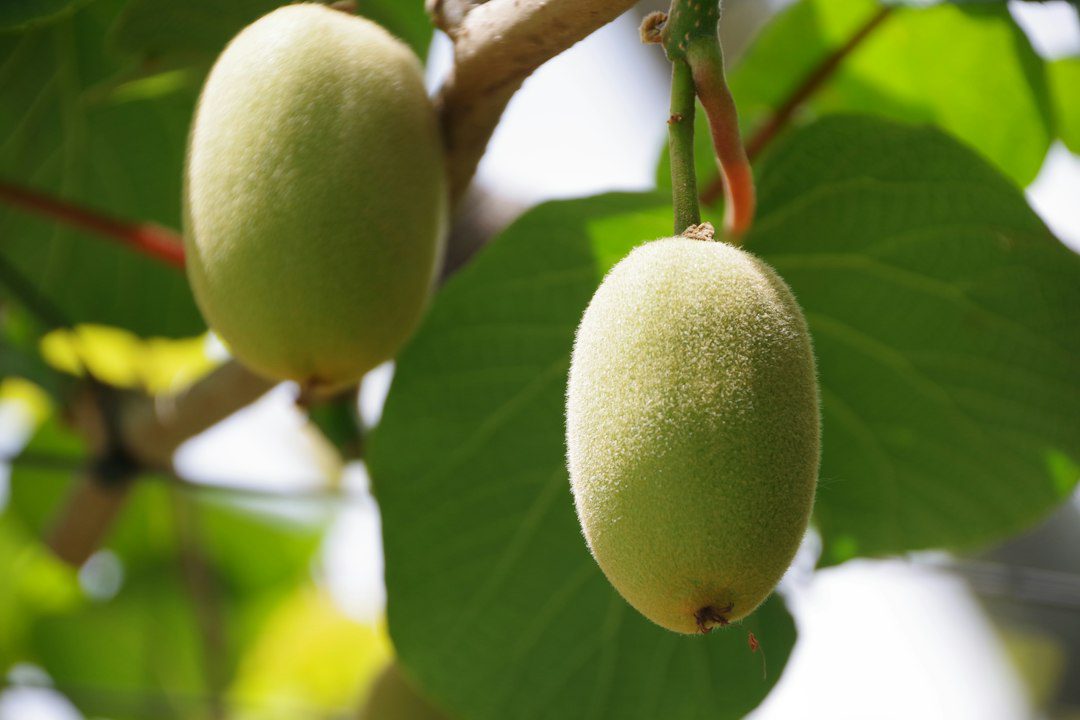
Photo by DD Wido on Unsplash
Source: New Zealand Herald
Disclaimer: This article is compiled from publicly available sources for general information only. The analysis and commentary are editorial opinions. MiDeer Observer does not guarantee the accuracy or completeness of the information provided. Readers should seek independent professional advice before relying on this content, or contact us for more information.