Summary
Nanjing Wool Market released its sponsor recognition list for the 2027 wool calendar on 13 November 2026, with 12 companies participating as sponsors and featured month by month: January – Jinlun Card Clothing (Jiangsu) Co. , Ltd. ; February – Guangshan Baisha Card Clothing Co.
, Ltd. ; March – Kunshan Pengcheng Wool Textile Co. , Ltd.
; April – Anhui Yuanqi New Material Technology Co. , Ltd. ; May – Jiangyin Zhongxin Textile Technology Co.
, Ltd. ; June – Kunshan Shenli Wool Textile Co. , Ltd.
; July – Jiaxing Weishi Wool Raw Materials Co. , Ltd. ; August – Nantong Hongyang Plush Products Co.
, Ltd. / Jiangsu Jubai Wool Products Co. , Ltd.
; September – Beijing Hezhong Vision Technology Co. , Ltd. ; October – Zhangjiagang Bonded Zone Fubaosai International Trading Co.
, Ltd. ; November – WoolWorks New Zealand Limited; December – Zhejiang Tongqing Cashmere Technology Co. , Ltd.
The calendar includes wool auction and recess schedules for major countries such as Australia, New Zealand and South Africa, displays recommended dos and don'ts for reference, marks national statutory holidays and adjusted leave arrangements, and provides large grid spaces for noting important matters. Nanjing Wool Market said it thanks all parties for their long-term support and will present this specially produced New Year gift as 2027 approaches.
Commentary
Nanjing Wool Market's release of its 2027 calendar sponsor list, while seemingly a routine annual acknowledgement, in fact reflects the subtle dynamics of the global wool industry chain. Of the 12 sponsors, 11 are Chinese companies spanning card clothing, wool textiles, new materials and trading, with only one New Zealand company, WoolWorks New Zealand Limited, making the list — and it appears in November. This ratio stands in contrast to the scale of China-New Zealand wool trade: New Zealand is the world's largest exporter of coarse wool and China is its largest buyer, yet New Zealand wool's presence in the Chinese market is concentrated more in raw material supply than in processing or branding.
For NZ SMEs, the Australian, New Zealand and South African auction and recess schedules marked in the calendar are a practical trading reference, but more noteworthy is the maturity of China's domestic wool processing clusters — wool textile enterprises in the Jiangsu-Zhejiang region have formed a complete chain from card clothing to finished products, meaning that if New Zealand wool exporters remain confined to raw wool sales, their bargaining space will steadily narrow. From an industry trend perspective, global wool production continues to shrink, while China's demand for fine wool has shifted toward Australia; New Zealand coarse wool is used more in carpets, industrial felt and other areas, with limited added value. The appearance of 'new material technology' companies among the calendar sponsors suggests that China's wool textile industry is exploring functional fibre alternatives, which may further squeeze the market share of natural wool.
If New Zealand SMEs wish to secure their exports to China, they should consider collaborating with local processors to develop differentiated products — for example, leveraging the environmental certification and traceability of New Zealand wool to enter China's high-end home furnishing or outdoor products markets, rather than relying solely on auction channels. As an information hub for China's wool trade, Nanjing Wool Market's calendar sponsorship structure also reminds us that the focus of China's wool industry has shifted from import dependence to internal supply chain integration, and New Zealand suppliers must reposition their role in the value chain.
Keywords: wool calendar, Nanjing Wool Market, sponsor recognition, WoolWorks New Zealand, wool auction schedule, card clothing enterprises, wool textile enterprises, 2027 calendar
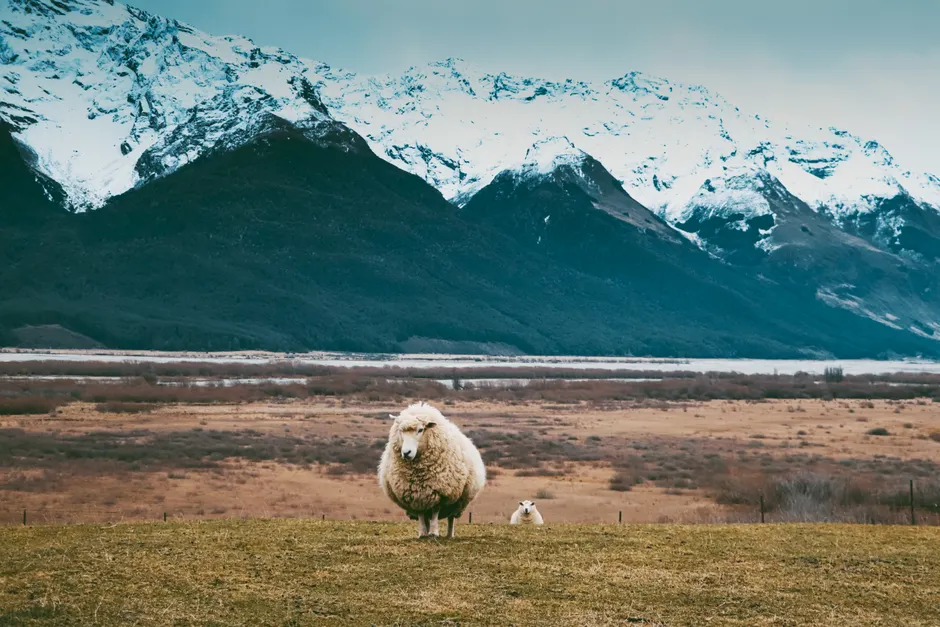
Photo by Anastasia Yudin on Pexels
Source: Nanjing Wool Market
Disclaimer: This article is compiled from publicly available sources for general information only. The analysis and commentary are editorial opinions. MiDeer Observer does not guarantee the accuracy or completeness of the information provided. Readers should seek independent professional advice before relying on this content, or contact us for more information.