Summary
Northland's Kaitāia wood processing industry faces an employment crisis. Juken has announced the closure of its local Triboard panel plant, which will eliminate 160 jobs; its Northland Mill was permanently closed in August, with another 60 positions lost. Tui Rutherford, investment lead at NorthlandNZ, said a government-backed investment proposal was close to being signed before the election.
The plan would not only keep the Triboard plant operating but also include a commercial upgrade of the Northland Mill and a new plant converting waste and low-grade timber into wood biomass biofuel. Together, the two operations plus the Triboard plant could absorb most of Juken's staff across its two Kaitāia sites. Rutherford said conservative modelling predicts a sound return within five years from investing in these plants, and the investment structure offers private investors some long-term security, but election-related delays could scuttle the deal.
Far North Mayor Moko Tepania said the region has the people, resources and potential, and meaningful investment is needed through central government-industry collaboration to create good jobs. Northland Regional Council chair Pita Tipene said plant workers are skilled and dedicated, and that sustainable forestry resources and domestic and export market channels exist; central government should act swiftly despite its current wait-and-see stance. News emerged in April that Juken was seeking interested buyers for its two Kaitāia plants.
Commentary
Northland's forestry processing sector is going through structural pain. The closure of Juken's Triboard plant will directly cost 160 jobs, and together with the earlier loss of 60 positions at Northland Mill, Kaitāia—a town of fewer than 10,000 people—faces an employment collapse. Against the industry backdrop, New Zealand forestry has long relied on log exports, with weak domestic processing capacity.
Juken, a Japanese-owned company, mainly supplies its Triboard panels to Japan's building materials market and has come under pressure in recent years from a weak yen and a sluggish Japanese construction sector. The proposed investment package includes modernisation and a biomass fuel plant aimed at converting low-grade timber into energy products, in line with global decarbonisation trends, but commercial viability remains to be proven. For NZ small and medium business owners, the episode signals two key points: first, the policy balance between log exports and local processing—if the government continues to encourage log shipments offshore, domestic mills will find it harder to secure stable feedstock; second, biomass fuel could become a new growth area for forestry, but it requires stable policy support and infrastructure.
The Far North has sustainable radiata pine resources and is close to ports, giving it potential to develop high-value wood products, but long investment payback periods often make private capital hesitant. The policy vacuum created by the election has added to uncertainty; if the investment agreement falls through, it will not only cost workers their jobs but also undermine regional economic confidence. The 'domestic and export market channels' mentioned by the Northland council chair are worth noting: New Zealand timber has a traditional advantage in Asian markets, but it needs to move from low-end logs to engineered wood products.
SMEs should watch whether the government introduces forestry processing incentives and what supply chain opportunities emerge from biomass energy projects.
Keywords: Kaitāia, Juken, wood processing, employment, investment proposal, plant closure, NorthlandNZ, biofuel, central government
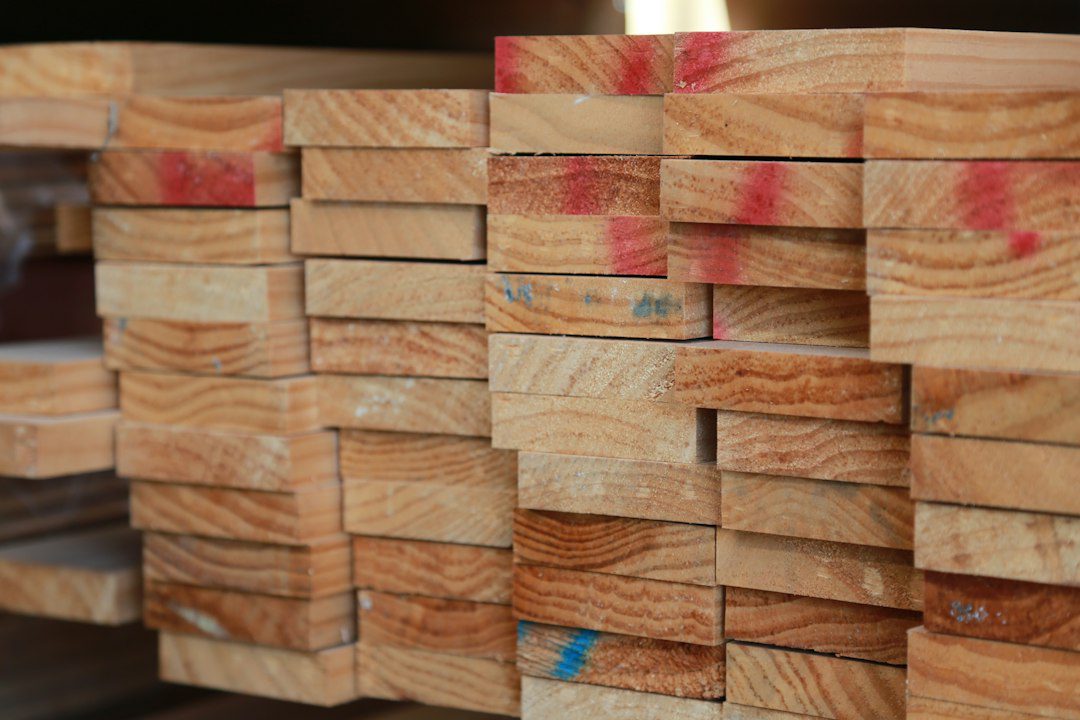
Photo by LUCIA LU on Unsplash
Source: New Zealand Herald
Disclaimer: This article is compiled from publicly available sources for general information only. The analysis and commentary are editorial opinions. MiDeer Observer does not guarantee the accuracy or completeness of the information provided. Readers should seek independent professional advice before relying on this content, or contact us for more information.