Summary
The ninth China International Import Expo (CIIE) closed in Shanghai on 10 November 2026. The 'Taste New Zealand' pavilion, in Hall 8.2 and covering 1,170 square metres, hosted 35 New Zealand small and medium-sized enterprises (SMEs) seeking to break into the Chinese market. Sir Carter, former New Zealand Prime Minister and chair of the New Zealand-China Council, visited the pavilion to talk with New Zealand companies.
'We all know the big New Zealand companies: Fonterra, Zespri, Silver Fern Farms, but it is these SMEs that are trying to get into the (Chinese) market. Good luck to them,' he said. New Zealand Trade and Enterprise (NZTE), New Zealand's agency in China, invited companies to exhibit.
First-time exhibitor ecostore, a family-owned business specialising in green, natural home, body, baby and oral care products, has signed an agreement with Chinese premium supermarket chain Freshippo, according to Chloe Liu, its China general manager, who called it 'a very remarkable milestone' and said the two sides share a commitment to sustainability. Brett O'Riley, the new president of the New Zealand-China Friendship Society, also attended and said New Zealand's prosperity over the past 20 years has largely benefited from the bilateral free trade agreement — signed on 7 April 2008, when New Zealand became the first developed country to sign an FTA with China, the largest trade deal since the Closer Economic Relations agreement with Australia in 1983. O'Riley said China's market is highly competitive but multi-layered, and demand for new proteins, nutritional supplements and new uses for traditional New Zealand products still offers significant potential for New Zealand companies.
Carter stressed that New Zealand companies should stick to their own brand positioning.
Commentary
The 'Taste New Zealand' pavilion at this year's CIIE covers just 1,170 square metres, yet it carries the China ambitions of 35 New Zealand SMEs. Giants such as Fonterra and Zespri are already well established, while newcomers like ecostore are trying to carve out a niche in the fiercely competitive Chinese market. ecostore's agreement with Freshippo reflects Chinese retail channels' preference for 'green and natural' positioning — a strong fit with New Zealand's national brand.
New Zealand SME owners should recognise that China's 'multi-layered' market means there is still room in niche segments: new proteins, nutritional supplements and innovative applications of traditional products are all potential directions identified by O'Riley. Yet the challenges are sharp: with thousands of businesses gathered at the CIIE, New Zealand brands need sustained investment in pricing, channels and localisation rather than relying solely on a 'pure' label. Sir Carter stresses sticking to brand positioning, but execution requires balancing localisation with differentiation.
For New Zealand's export-dependent economy, fluctuations in the Chinese market directly affect corporate cash flow, and SMEs in particular need to diversify risk while using resources such as NZTE to reduce the cost of trial and error. ecostore's case shows that alignment with Chinese retailers' values (such as sustainability) can serve as an entry point, but whether that translates into repeat orders depends on supply chain responsiveness and consumer repurchase rates. The China path for New Zealand SMEs requires both courage and precision.
Keywords: China International Import Expo, New Zealand SMEs, Chinese market, ecostore, Freshippo, New Zealand-China FTA, Sir Carter, O'Riley, Taste New Zealand, NZTE
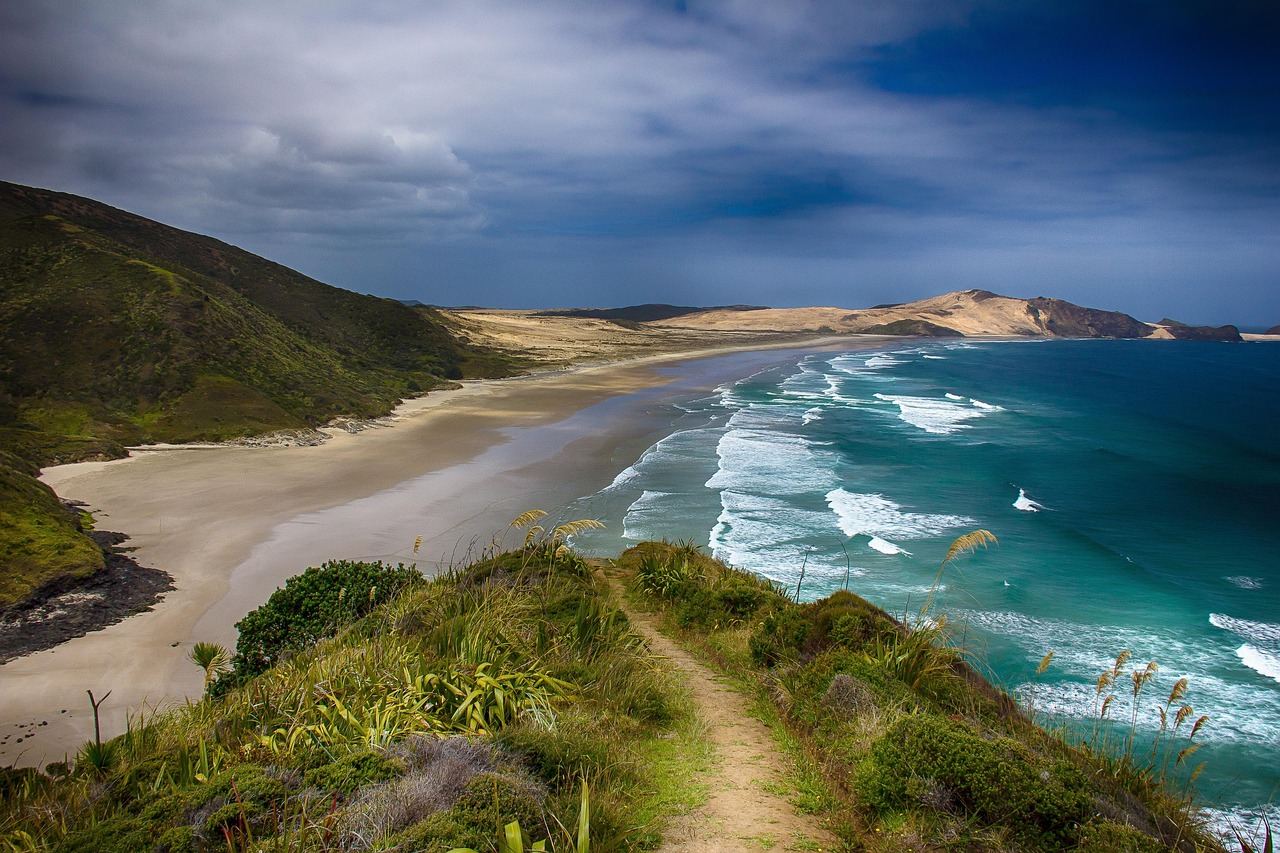
Photo by holgerheinze0 on Pixabay
Source: citynewsservice.cn
Disclaimer: This article is compiled from publicly available sources for general information only. The analysis and commentary are editorial opinions. MiDeer Observer does not guarantee the accuracy or completeness of the information provided. Readers should seek independent professional advice before relying on this content, or contact us for more information.