Summary
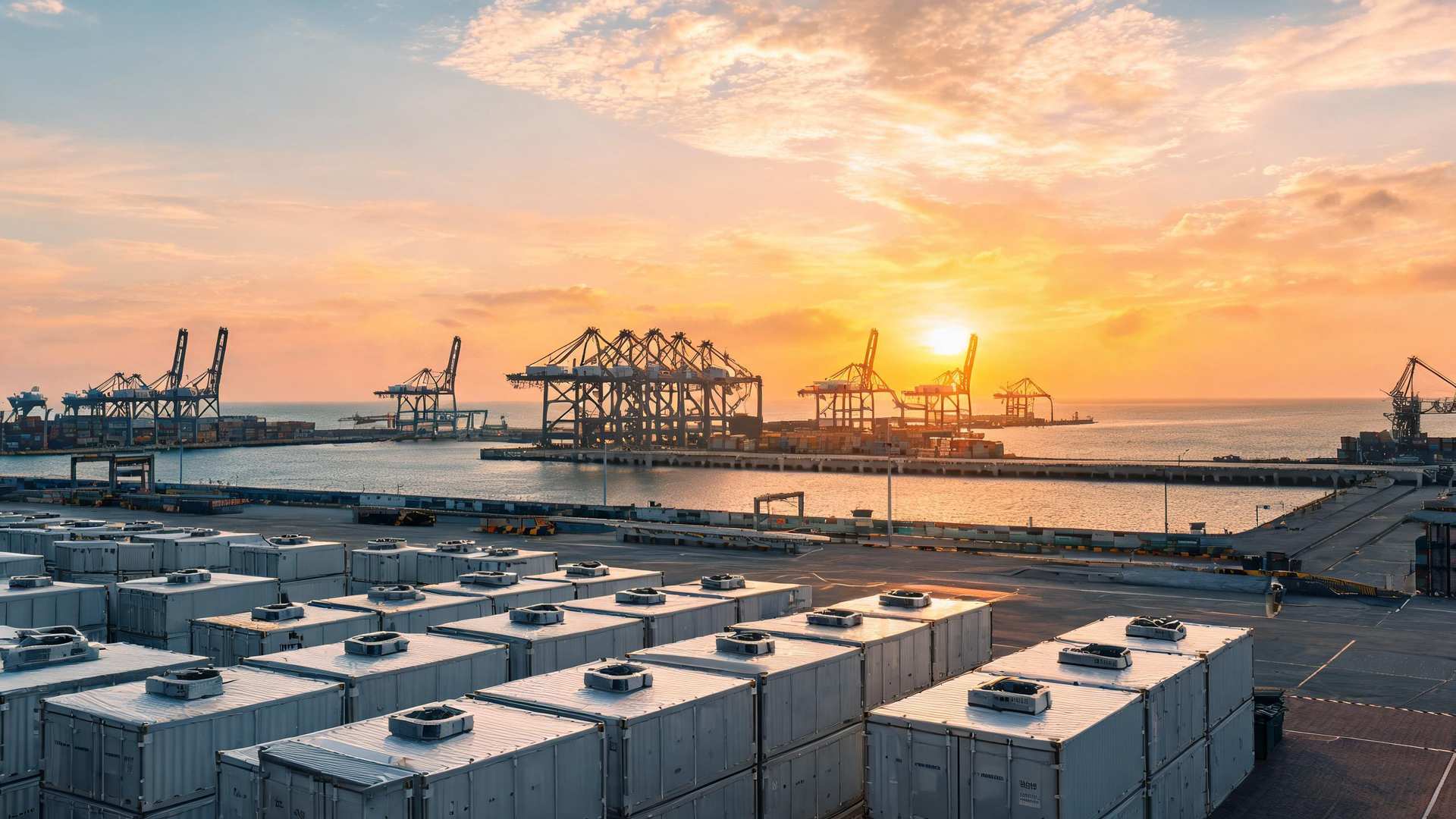
A shipment of frozen lamb from New Zealand and Australia cleared customs at Tianjin Port on 16 November 2026, moved north via cold chain, underwent deep processing and returned to distribution, ultimately reaching the tables of Tianjin and surrounding residents at a factory price of less than RMB 2 per skewer, according to Jinwan Bao. The journey links overseas supply, port clearance, cold-chain transport, inland processing and terminal sales in a complete closed loop. In the early hours, frozen lamb produced in New Zealand and Australia completed customs clearance quickly at Tianjin Port and was immediately loaded onto cold-chain trucks heading north, arriving at the raw material warehouse of a Harbin meat processing plant the next day.
At the production base of Heilongjiang Baifu Youxiansheng Supply Chain, imported frozen raw materials including New Zealand lamb, Australian lamb and Brazilian beef that had cleared customs at Tianjin Port were stacked in a constant -18°C cold store. Workers in the workshop finely cut, trimmed and sorted the imported frozen beef and lamb and threaded them into finished lamb skewers. Xu Xiaolei, general manager of the company, said all imported frozen raw materials are cleared through Tianjin Port, with two to three truckloads of cold-chain raw materials arriving daily at the Harbin production base and annual freight volume exceeding 1,000 standard containers.
Tianjin Port's All-Link service, with stable operations, controllable costs and comprehensive support as its core advantages, relies on its own consolidation warehouses and constant-temperature cold stores to provide flexible storage services, and continues to expand cold-chain storage resources and upgrade customs clearance processes, addressing industry pain points such as high storage costs and unstable supply for imported frozen goods companies. It highlights Tianjin Port's deep transformation from a single terminal handling service provider to a full-chain supply chain solutions provider.
Commentary
Tianjin Port's transformation from a traditional handling port to a full-chain supply chain service provider offers a new market channel for small and medium-sized New Zealand meat exporters. New Zealand produces about 450,000 tonnes of lamb a year, more than 90 percent of which is exported, with China among the largest destinations. Tianjin Port's All-Link service integrates customs clearance, cold-chain storage and inland distribution, cutting the time for New Zealand lamb to travel from port to a Harbin processing plant to next-day delivery and significantly reducing in-transit spoilage and storage costs for frozen goods.
For small and medium-sized New Zealand exporters that rely on stable supply, this one-stop service reduces the complexity of dealing with multiple logistics links and allows their products to enter northern China's processing and retail networks faster. On the other hand, Chinese domestic processors such as Baifu Youxiansheng make low-priced lamb skewers from imported New Zealand lamb, reflecting growing Chinese consumer demand for value-for-money protein. This offers New Zealand exporters opportunities to supply bulk raw materials, but also means profit margins may be squeezed by downstream processing.
New Zealand companies need to weigh the pros and cons of directly exporting high-value cuts versus supplying bulk raw materials, while watching the northern market reach enabled by Tianjin Port's cold-chain storage expansion. As cold-chain infrastructure in northern China improves, small and medium-sized New Zealand exporters could consider long-term cooperation with port supply chain service providers, using their consolidation warehouses for small-batch, high-frequency shipments to reduce inventory risk. If Tianjin Port's full-chain model continues to expand, it could become a key node for New Zealand meat entering China's inland market, but exporters still need to assess the impact of exchange rate fluctuations and changes in quarantine policy on costs.
Keywords: Tianjin Port, all-link logistics service, imported frozen lamb, cold-chain transport, Harbin processing base, Xu Xiaolei, Baifu Youxiansheng, customs clearance efficiency, supply chain solutions, New Zealand and Australia
AI illustration on MiDeer Observer
Source: People's Daily Online Tianjin
Disclaimer: This article is compiled from publicly available sources for general information only. The analysis and commentary are editorial opinions. MiDeer Observer does not guarantee the accuracy or completeness of the information provided. Readers should seek independent professional advice before relying on this content, or contact us for more information.