Summary
New Zealand hosted the International Dairy Federation (IDF) World Dairy Summit at the Auckland International Conference Centre on 16 November 2026 — the first time in 16 years the country has held the global dairy event — drawing more than 1,500 dairy experts from 44 countries. DairyNZ chair and Waikato dairy farmer Tracy Brown said New Zealand's point of difference lies in its pasture-based farming system, its care for the land and the role of women in the industry. Dairy exports earned New Zealand NZ$28.8 billion in the year to June, accounting for 22.1 percent of global dairy exports in 2025.
Fonterra chief executive Richard Allen told the leaders' forum that after COVID-19, shipping disruptions and global conflict, 'volatility is no longer the exception but the expected norm', with changes to trade rules, geopolitical tensions and weather events all capable of shifting the picture within months. Nestlé chief procurement officer and Nestrade S. A.
chief executive Jacob Busk Nielsen said current milk prices are unsustainable and that high prices could stifle demand over time; Nestlé prefers stable, fair pricing and reaffirmed targets of net zero by 2050, a 50 percent emissions reduction by 2030 and net zero on Fonterra's co-operative farms by 2032. Yili Group vice-president Ignatius Szeto said dairy growth opportunities lie in specialised protein products for ageing populations, while Fonterra chief growth and strategy officer Elisa Giusti cautioned that the industry should maximise the full potential of milk and its co-products rather than focusing on protein alone.
Commentary
New Zealand's hosting of the IDF World Dairy Summit after 16 years underscores its central place in global dairy trade. New Zealand accounted for 22.1 percent of global dairy exports in 2025, with annual exports of NZ$28.8 billion, and Fonterra, the largest co-operative, derives about 25 percent of its global revenue from Greater China. For NZ small and medium business owners, the key signal from the summit is that volatility has become the new normal: geopolitics, shipping disruption and extreme weather can reshape trade within months, and firms need more resilient supply chains and diversified market strategies.
Nestlé's executive noted that current high milk prices are unsustainable and could dampen demand over time — a reminder for small and medium farms relying on high prices to focus on cost control and long-term contract locking. At the same time, Yili highlighted opportunities in specialised protein products for ageing populations, while Fonterra stressed maximising the value of milk co-products rather than protein alone, offering small and medium processors a direction for differentiated innovation. The summit also emphasised environmental sustainability, with Nestlé requiring Fonterra's co-operative farms to reach net zero by 2032, and NZ farmers needing to accelerate investment in emissions-reduction technology to maintain access to international buyers.
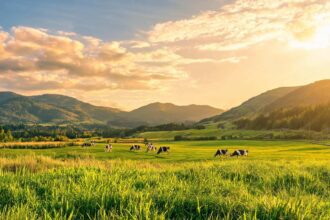
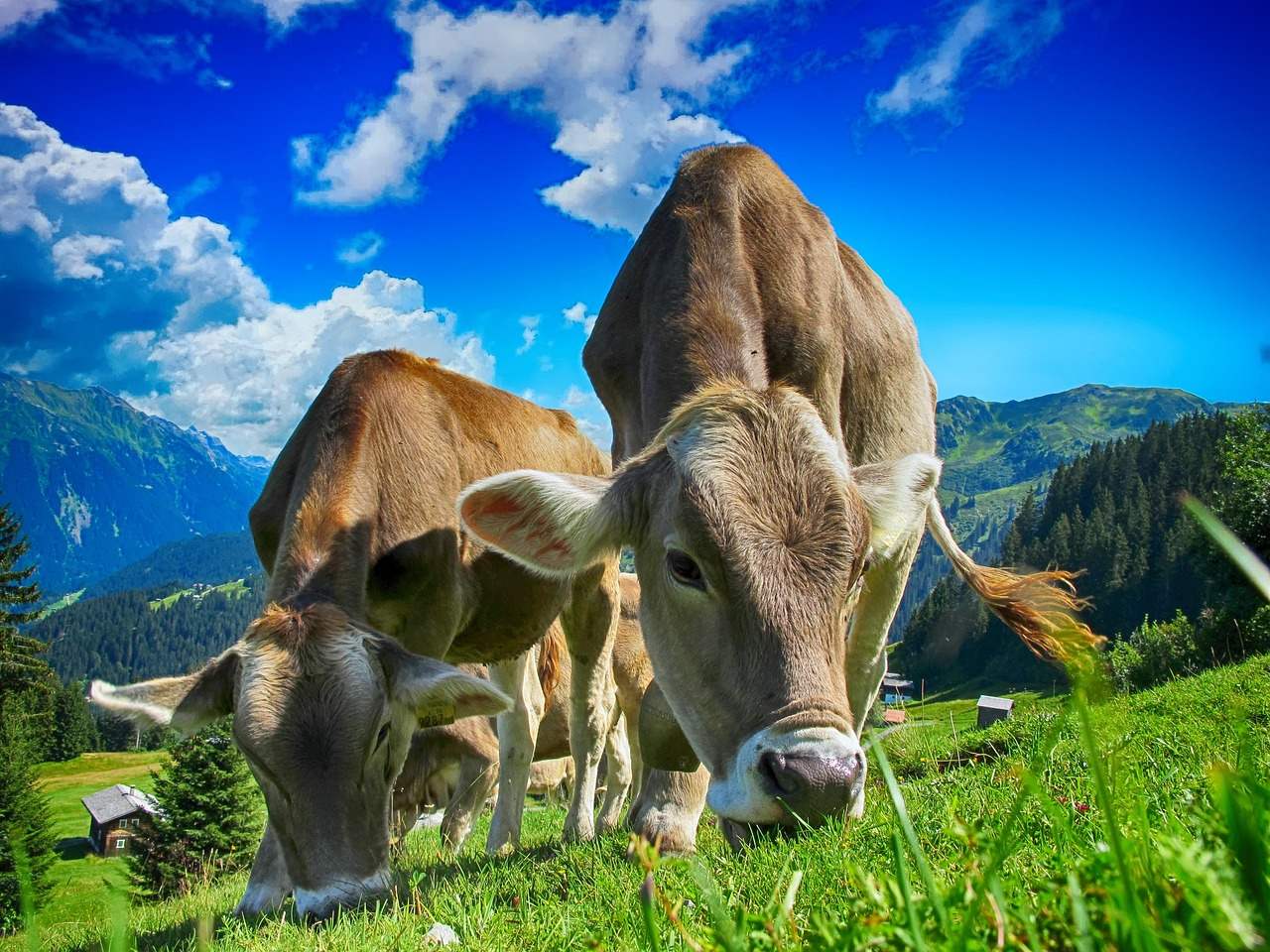
New Zealand's pasture-based model and the role of women in the industry were showcase highlights, but smaller firms should focus on increasingly stringent global buyer requirements on carbon footprint and animal welfare; early positioning on green certification could become a gateway to premium markets.
Keywords: World Dairy Summit, New Zealand dairy, Fonterra, dairy exports, price volatility, sustainability, DairyNZ, Nestlé, Yili Group
Photo by TheDigitalArtist on Pixabay
Source: thepost.co.nz
Disclaimer: This article is compiled from publicly available sources for general information only. The analysis and commentary are editorial opinions. MiDeer Observer does not guarantee the accuracy or completeness of the information provided. Readers should seek independent professional advice before relying on this content, or contact us for more information.