Summary
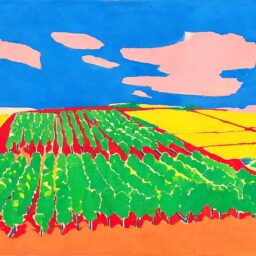
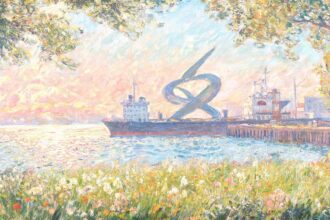
Summer in Shandan — For Rewi Alley and George Hogg recalls in verse two foreign friends who crossed mountains and seas to reach China's northwest. It opens with two doves of light perched on the Bailie roof, moves through the wheat waves of Siba fields, Shandan flowers and the distant Gobi, and layers metaphors of sunflowers, kilns and the sun to praise their creative spirit — sowing hope with their own hands and waking barren land through labour. The poem stresses that they were not passers-by but returning sons, turning a foreign place into home, their souls forged into the deep soil of the northwest.
It closes as the sandstorms still and machines roar, when that immortal monument, in the summer night of ancient Shandan, imitates the earth and the backbone, bearing the truest feeling for Rewi Alley and George Hogg.
Commentary
The story of Rewi Alley and George Hogg is a distinctive historical footnote in people-to-people exchanges between New Zealand and China. Alley, a New Zealander, founded the Bailie School in China's northwest and championed the educational philosophy of combining hand and brain — a legacy still commemorated locally. For New Zealand SME owners, such human ties do not generate trade data directly, yet they form the deep soil of commercial trust between the two countries.
China-New Zealand economic relations are now highly mature: traditional sectors such as dairy and timber are fully competitive, while 'soft connections' in culture, education and tourism are becoming points of differentiation. Shandan, where Alley is buried, and its related commemorative activities and cultural tourism projects offer New Zealand firms niche but high-stickiness collaboration scenarios — for example, educational tourism, cultural heritage conservation consulting, or co-branding of specialty agricultural products. On the other hand, consumer markets in China's northwest are growing rapidly, but New Zealand brand recognition remains concentrated in first-tier coastal cities; entering inland segmented markets through historical and emotional ties may lower initial trust costs.
Such opportunities, of course, require long-term commitment and respect for local cultural context, avoiding over-commercialisation that erodes historical sentiment. Alley and Hogg's practice of 'turning a foreign place into home' suggests that for New Zealand companies deepening their presence in China, localisation is not only language and channels but also values and community integration.
Keywords: Rewi Alley, George Hogg, Shandan, Bailie, poetry, New Zealand-China friendship, northwest soil
Disclaimer: This article is compiled from publicly available sources for general information only. The analysis and commentary are editorial opinions. MiDeer Observer does not guarantee the accuracy or completeness of the information provided. Readers should seek independent professional advice before relying on this content, or contact us for more information.