Summary
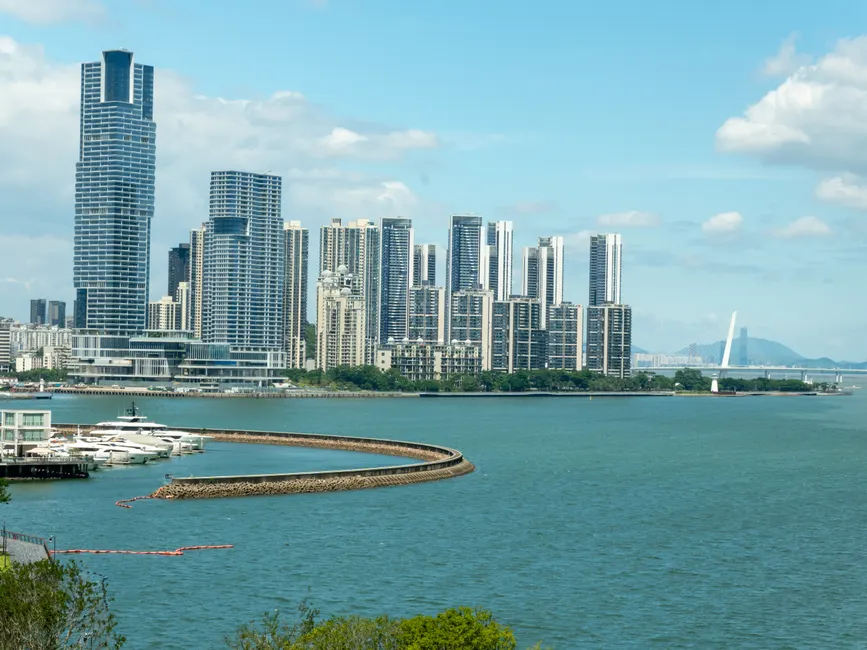
Prime Minister Luxon will travel to Shenzhen next week for the APEC leaders' meeting on 18-19 November, the government said on 13 November. Trade and Investment Minister Todd McClay will accompany him, while Foreign Minister Winston Peters heads to Manila for the East Asia Summit. The trip falls during the political transition after the 7 November 2026 election, with special votes still being counted and the final seat allocation unconfirmed until 27 November.
Preliminary results show the National-ACT-NZ First coalition holding a very narrow majority, and Luxon will attend as caretaker Prime Minister. The government said attendance at APEC and the East Asia Summit follows caretaker convention and has been discussed with the opposition. APEC, founded in 1989, has 21 member economies and focuses on trade liberalisation, investment facilitation and regional cooperation.
Government data shows APEC economies buy about 75 percent of New Zealand's exported goods and services, with dairy, meat, horticulture and services trade such as tourism and education closely tied to Asia-Pacific markets.
Commentary
Prime Minister Luxon attending APEC as caretaker underscores the Asia-Pacific's pivotal role for the New Zealand economy. APEC members buy about 75 percent of New Zealand's exported goods and services, a figure that outstrips many people's intuition. For small and medium-sized business owners, APEC trade facilitation measures directly affect export costs and market access.
Take dairy: Fonterra, the world's largest dairy exporter, derives about 25 percent of global revenue from Greater China, and China, Japan and South Korea—all APEC economies—are New Zealand's top three dairy markets. Although the China-NZ free trade agreement has been upgraded, coordinating non-tariff barriers at APEC could still affect the channel costs for smaller dairy firms entering second- and third-tier Chinese cities. On the other hand, the trip comes during the post-election political transition, and caretaker status may limit major commitments at APEC, creating some uncertainty for New Zealand businesses.
However, the trade minister's presence means bilateral trade issues can still advance, especially agricultural market access and e-commerce rules for China. Competitively, Australian dairy is regaining growth in China, and New Zealand firms need to secure more favourable rules of origin and mutual recognition of inspection and quarantine within APEC to consolidate first-mover advantages in niches such as organic grass-fed milk powder. APEC summits are non-binding, but their trade liberalisation direction will shape the medium- and long-term export strategies of New Zealand SMEs, particularly as supply chains regionalise—how to use the APEC platform to reduce dependence on any single market deserves attention.
Keywords: APEC summit, NZ Prime Minister Luxon, Shenzhen, caretaker government, 2026 New Zealand election, special votes, Trade and Investment Minister Todd McClay, East Asia Summit, export markets
Photo by Da Na on Pexels
Source: 33newsnz.com
Disclaimer: This article is compiled from publicly available sources for general information only. The analysis and commentary are editorial opinions. MiDeer Observer does not guarantee the accuracy or completeness of the information provided. Readers should seek independent professional advice before relying on this content, or contact us for more information.