Summary
New Zealand is the primary origin of manuka (Leptospermum scoparium) honey. The government certifies monofloral and multifloral manuka honey for export based on scientific definitions and testing methods. Manuka honey is exported under the natural honey category (HS 040900) and positioned as a premium export product, with export statistics aligned with the Ministry for Primary Industries (MPI) definition.
Key import markets include the United States, China, the United Kingdom, Japan, Germany, Hong Kong and Canada. The US and China are the largest destinations for New Zealand and Australian natural honey exports, while the UK market attracts attention due to naming and trademark disputes. Manuka honey production is closely tied to the short flowering season, with the beekeeping industry typically describing the manuka season as running from about November to February or March.
Products are classified as monofloral or multifloral. The MPI scientific definition uses a five-attribute method combining chemical and manuka pollen DNA for certification. The UMF™ quality assurance system typically uses MGO, leptosperin, DHA and HMF as key tested components for rating, while the Codex honey standard (CXS 12-1981) sets compositional and quality parameters such as moisture, HMF, amylase and sugars for international trade.
The supply chain covers apiary site selection, harvesting, extraction and filtration, batch blending, laboratory testing, packaging and export distribution. Demand drivers include premium health and gifting positioning in destination markets, as well as rising consumer and regulatory sensitivity to honey adulteration. On the risk side, honey is a globally high-risk fraudulent commodity, and manuka honey faces greater incentives for adulteration and mislabelling due to its high premium.
Coordinated testing of imported honey under the EU's 'From the Hives' programme found a large proportion of samples suspected of adulteration, potentially triggering regulatory action, border controls and reputational damage.
Commentary
New Zealand manuka honey holds a leading position in the global premium honey market due to its unique antibacterial activity, with export value continuing to grow and the US and China being the largest markets. However, the high premium also makes it a hotspot for adulteration and mislabelling. Coordinated EU testing found a large number of imported honey samples suspected of adulteration, posing reputational risks for New Zealand exporters.
For New Zealand SMEs, on the one hand they should leverage the MPI scientific definition and UMF certification system to strengthen product credibility and build a differentiated advantage in European and American markets; on the other hand they need to monitor naming and trademark disputes in markets such as the UK and prepare legal responses in advance. In addition, Chinese consumers' awareness of manuka honey is rising, but market competition is intensifying, and SMEs could consider direct sales via cross-border e-commerce or partnerships with local brands to reduce channel costs. On the supply chain side, the manuka flowering season is short and climate-sensitive, so companies should build diversified nectar source reserves and flexible procurement strategies to avoid single-origin risks.
In the long term, stricter global honey regulation will eliminate non-compliant competitors and create opportunities for New Zealand brands committed to high quality.
Keywords: manuka honey, New Zealand, MPI scientific definition, UMF rating, honey exports, honey adulteration, HS 040900, Codex standard
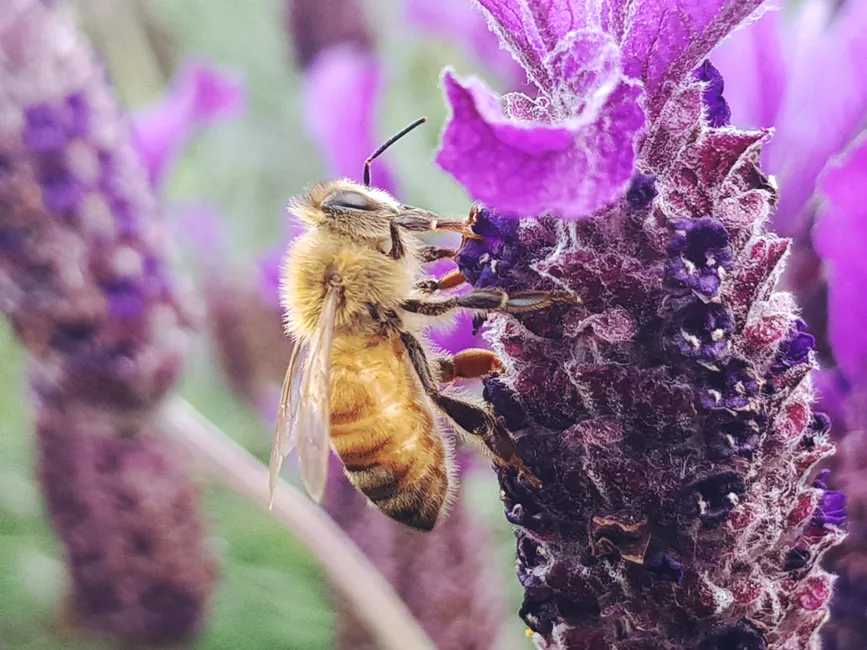
Photo by meo on Pexels
Source: Tridge
Disclaimer: This article is compiled from publicly available sources for general information only. The analysis and commentary are editorial opinions. MiDeer Observer does not guarantee the accuracy or completeness of the information provided. Readers should seek independent professional advice before relying on this content, or contact us for more information.