
Summary
New Zealand's food processing sector has seen a wave of foreign acquisitions and local plant closures over the past 20 years. Westland Dairy Co-operative's 400 farmer-shareholders sold its assets to Yili, ending the co-operative; Silver Fern Farms sold half its shares to Shanghai Maling; Alliance farmers retained 35 percent, with Dawn Meats completing its 65 percent acquisition on 1 December 2025. Fonterra sold Tip Top ice cream in 2019 and its consumer brands in 2026, and now supplies raw milk to France's Lactalis for at least ten years—the milk still comes from New Zealand cows, but the company that owns the Anchor packaging is French.
Investment funds have moved in and out repeatedly: Pacific Equity Partners held Frucor from 1998 to 2002 and Tegel from 2005 to 2010, also owned Griffin's for about eight years before selling to Universal Robina, and sold Independent Liquor to Asahi; an affiliate took a stake in Mainland Poultry in 2026. New Zealand's largest poultry processor was sold to a Philippine company in 2018, and its largest egg supplier was sold to Malaysian and Australian investors in 2026. Brands and plants have also separated: Bürgen bread was created in 1987 by Auckland baker Doug Leighton and has been owned by Australia's George Weston Foods since the early 1990s; the company said in August 2026 that Bürgen had been discontinued after retailers delisted it, citing "declining consumer demand and increased pressure on shelf space.
" Meanwhile, research led by University of Auckland researcher Kelly Garton found that ultra-processed foods rose from 8.7 percent of New Zealand's food and beverage imports in 1990 to 21.8 percent in 2023, with per capita volumes increasing from 15.7 kg to 103.8 kg; she cautioned that "correlation is not causation. " Since 2022, fresh fruit, vegetables, meat and fish must carry country-of-origin labels, but mixed and most processed foods are exempt. The article also reviews history: the 1938 balance-of-payments crisis prompted the government to restrict imports and introduce licensing, and World War II combined to create a manufacturing boom, with Fisher & Paykel beginning to produce washing machines and refrigerators in 1939; in 1942 private motorists could buy only 2 gallons of petrol per month, with rationing ending in May 1950, butter and meat rationing beginning in October 1943 and March 1944 respectively, and butter rationing lasting until June 1950.
From 1984 the regulated economy was dismantled, and in 1988 the government announced that import licensing would be fully abolished by 1992.
Commentary
Foreign ownership and brand loss in New Zealand's food processing industry have continued for two decades—from the sale of Westland Dairy Co-operative to Yili, to the transfer of half of Silver Fern Farms to Shanghai Maling, to Fonterra's divestment of Tip Top and its consumer brands—local ownership keeps shrinking. For NZ small and medium-sized business owners, this is both a warning and an opportunity. On one hand, foreign entry brings capital and market access; for example, after acquiring Westland, Yili expanded its sales network in China, and some local suppliers may benefit from supply chain integration.
On the other hand, the separation of brands and plants and short-term holdings by investment funds (such as Pacific Equity Partners' repeated buying and selling of food assets) mean decision-making moves offshore, and the bargaining power of local farmers and processors may be weakened. Notably, the share of ultra-processed food imports rose from 8.7 percent in 1990 to 21.8 percent in 2023, and per capita consumption increased from 15.7 kg to 103.8 kg, reflecting shrinking local processing capacity and accelerating import substitution. For SMEs, differentiated positioning is key: in traditional strengths such as dairy and meat, they can leverage the China-NZ FTA tariff preferences (for example, infant formula tariffs have fallen to zero) to deepen their presence in the Chinese market; in ultra-processed foods, they need to guard against price competition from imported brands and shift to high-value-added, clean-label or locally distinctive products.
Historical experience shows that relying entirely on imports is highly risky when supply chains are disrupted—wartime rationing during World War II is a case in point. With global trade uncertainty rising, SMEs should assess supply chain resilience and consider backup partnerships with local or regional suppliers. At the same time, loopholes in origin labelling rules (exemptions for mixed and processed foods) leave gaps in consumer information transparency; companies can voluntarily label ingredient sources to build trust.
The future of New Zealand's food industry lies not in restoring protectionism, but in seizing niche opportunities in open markets while maintaining a clear understanding of ownership and supply chains.
Keywords: foreign acquisitions, food processing industry, plant closures, Fonterra, ultra-processed food imports, import licensing, Bürgen discontinuation, dairy co-operative
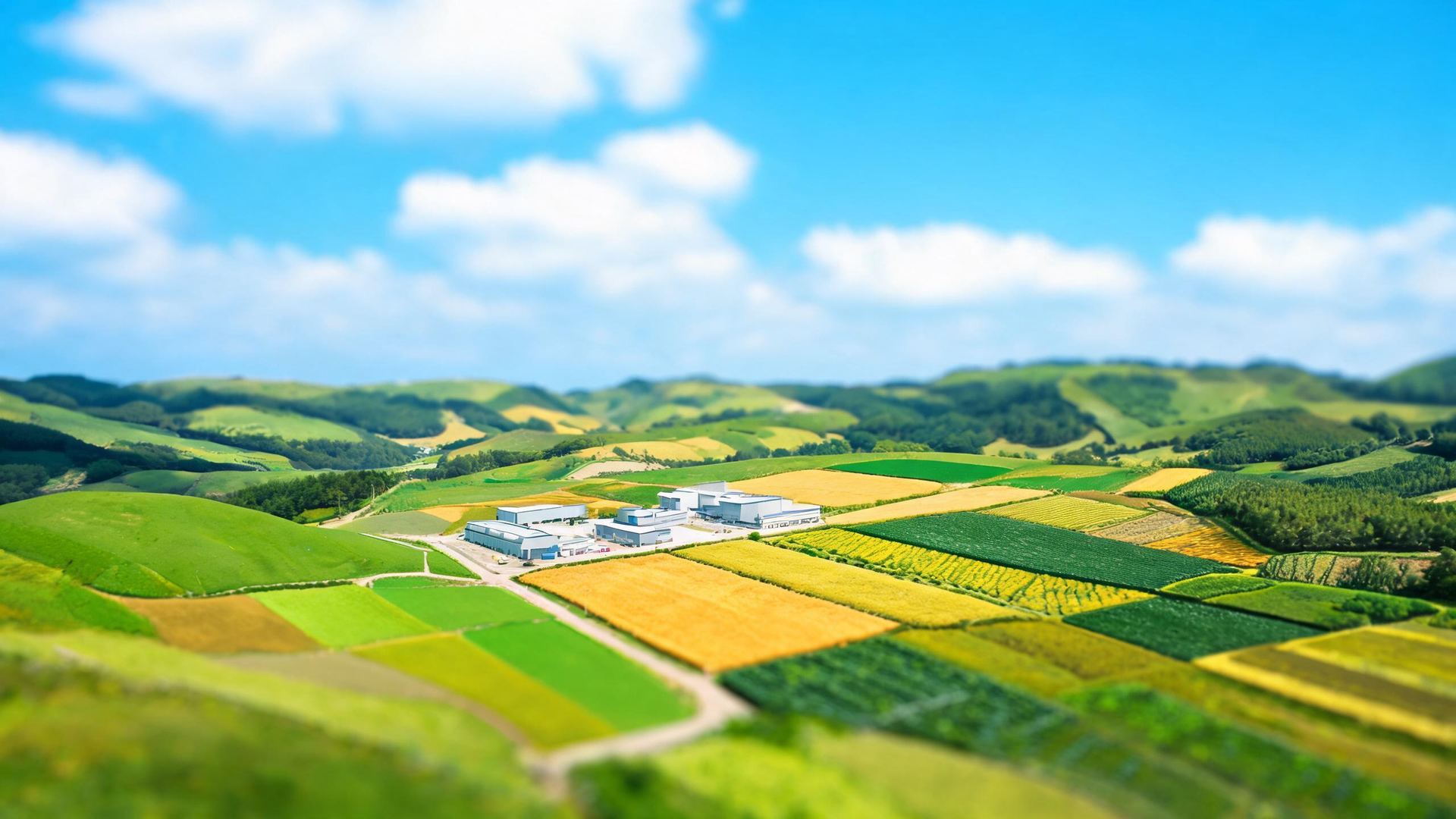
AI illustration on MiDeer Observer
Source: 🥕 Organic Food Together 🥕
Disclaimer: This article is compiled from publicly available sources for general information only. The analysis and commentary are editorial opinions. MiDeer Observer does not guarantee the accuracy or completeness of the information provided. Readers should seek independent professional advice before relying on this content, or contact us for more information.