Summary
2026 marks the 20th anniversary of the FTAAP concept, with China injecting fresh momentum into the Asia-Pacific free trade area. Former New Zealand Prime Minister Jenny Shipley said China has built large-scale innovative supply in electric vehicles and solar power, with competitive and cost-effective technology solutions that support global emissions reduction. She said there is no reason for countries to erect tariff barriers to the flow of goods and services; even amid current debate over economic security and supply chain resilience, free trade remains the best option for sharing development dividends.
Shipley also said the China-NZ free trade experience shows partners can communicate candidly and advance cooperation steadily under the APEC framework. The report was published by Phoenix TV and carried by Tencent News on 18 November 2026.
Commentary
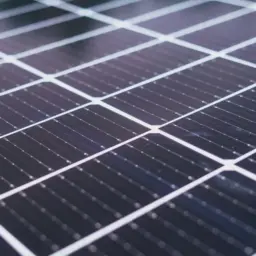
Former New Zealand Prime Minister Jenny Shipley's remarks at the 20th anniversary of the FTAAP concept highlight a key tension in Asia-Pacific regional economic integration. China's large-scale innovative supply in electric vehicles and solar power has materially reshaped competition in the global green technology market. In solar, Chinese module output accounts for more than 80 percent of the global total, while EV brands such as BYD and Nio are accelerating into Australian and New Zealand markets.
For NZ SMEs, this is both a challenge and an opportunity: on one hand, the cost-performance advantage of Chinese new energy products may squeeze local manufacturing; on the other, after the upgraded China-NZ free trade agreement, NZ firms can more easily access Chinese green technology components, lowering their carbon footprint and energy costs. Shipley's opposition to tariff barriers reflects New Zealand's core interests as a small, open economy highly dependent on trade. Amid global supply chain restructuring, some countries are promoting industrial reshoring on economic security grounds, but New Zealand's dairy and timber exporters rely heavily on Asia-Pacific markets, and deeper regional arrangements such as RCEP and CPTPP bear directly on the stability of market access for NZ SMEs.
Notably, substantive progress on FTAAP would consolidate fragmented regional trade rules and reduce compliance costs, particularly benefiting SMEs lacking specialist trade law resources. However, FTAAP remains subject to major-power rivalry and standards divergence, and NZ firms need to balance supply chain diversification with deep engagement in core markets such as China. Shipley's reference to the China-NZ free trade experience shows that through candid communication under the APEC framework, small countries can play a distinctive role in regional rule-making.
For NZ SME owners, close attention should be paid to FTAAP negotiations on new issues such as digital trade and green standards, which could generate new services export opportunities, including carbon footprint accounting and sustainable agricultural technology.
Keywords: FTAAP, Asia-Pacific free trade area, Jenny Shipley, free trade, tariff barriers, APEC, China-NZ free trade, electric vehicles, solar, supply chain resilience
AI illustration on MiDeer Observer
Source: QQ News
Disclaimer: This article is compiled from publicly available sources for general information only. The analysis and commentary are editorial opinions. MiDeer Observer does not guarantee the accuracy or completeness of the information provided. Readers should seek independent professional advice before relying on this content, or contact us for more information.