Summary
Zespri, the New Zealand kiwifruit marketer, has confirmed in its November 2026 Kiwiflier newsletter that plant variety rights (PVR) for its Gold3 yellow kiwifruit variety in Chile will expire in 2029, earlier than initially estimated. The reason lies in the particularities of Chile's plant variety protection regime: Chile is a party to the 1978 Act of the International Convention for the Protection of New Varieties of Plants (UPOV), under which the protection period is calculated from the date an application is provisionally accepted, not from the date the right is granted. Gold3's application was provisionally accepted in January 2011, but the right was only granted in September 2025, meaning protection expires in 2029 on that basis.
Under UPOV 1978, Chile provides a minimum protection period of 18 years for trees and vines, while the UPOV 1991 Act sets a minimum of 25 years for the same crops. With expiry approaching, Zespri said it is assessing the possibility of third parties producing Gold3 in Chile, and preliminary assessments indicate significant challenges in achieving consistent production of high-quality yellow-fleshed kiwifruit under local growing conditions. The company also stressed that while PVR in Chile will expire, it retains other tools to maintain the variety's commercial value, including variety rights protection in other strategic markets, the strength of the Zespri brand, its global supply chain, international market access, customer relationships and quality systems.
Zespri said it will continue to oppose the granting of plant variety rights for the E2 kiwifruit variety.
Commentary
The early expiry of Zespri's Gold3 variety rights in Chile stems from Chile's special position as a UPOV 1978 contracting party: the protection period runs from the date of provisional acceptance rather than the date of grant, so the 18-year term runs from 2011 and ends in 2029. For Zespri, Chile is an important kiwifruit producer in the Southern Hemisphere, accounting for about 15 percent of global output and supplying in counter-season to New Zealand, making it a key node in Zespri's global supply chain. If third parties plant Gold3 in Chile, it could disrupt Zespri's counter-season supply to North American and European markets and weaken its pricing power.
But Zespri stresses that local production of high-quality yellow-fleshed fruit poses technical challenges, and its brand, channels and quality systems form a moat. New Zealand small and medium-sized business owners should note two points. First, Zespri's variety rights risk could spill over to other export industries reliant on plant variety protection, such as apples and cherries, requiring a review of target markets' UPOV versions and rights commencement rules.
Second, Chile as a competitor has a relatively lax variety rights regime that could attract more breeding investment, potentially altering the Southern Hemisphere fruit trade landscape in the long term. Zespri's response strategy—strengthening brand and supply chain control—offers a lesson for New Zealand businesses: in markets with inadequate intellectual property protection, non-legal barriers are needed to maintain competitive advantage.
Keywords: Zespri, Gold3, plant variety rights, Chile, UPOV 1978, 2029 expiry, yellow-fleshed kiwifruit, E2 variety
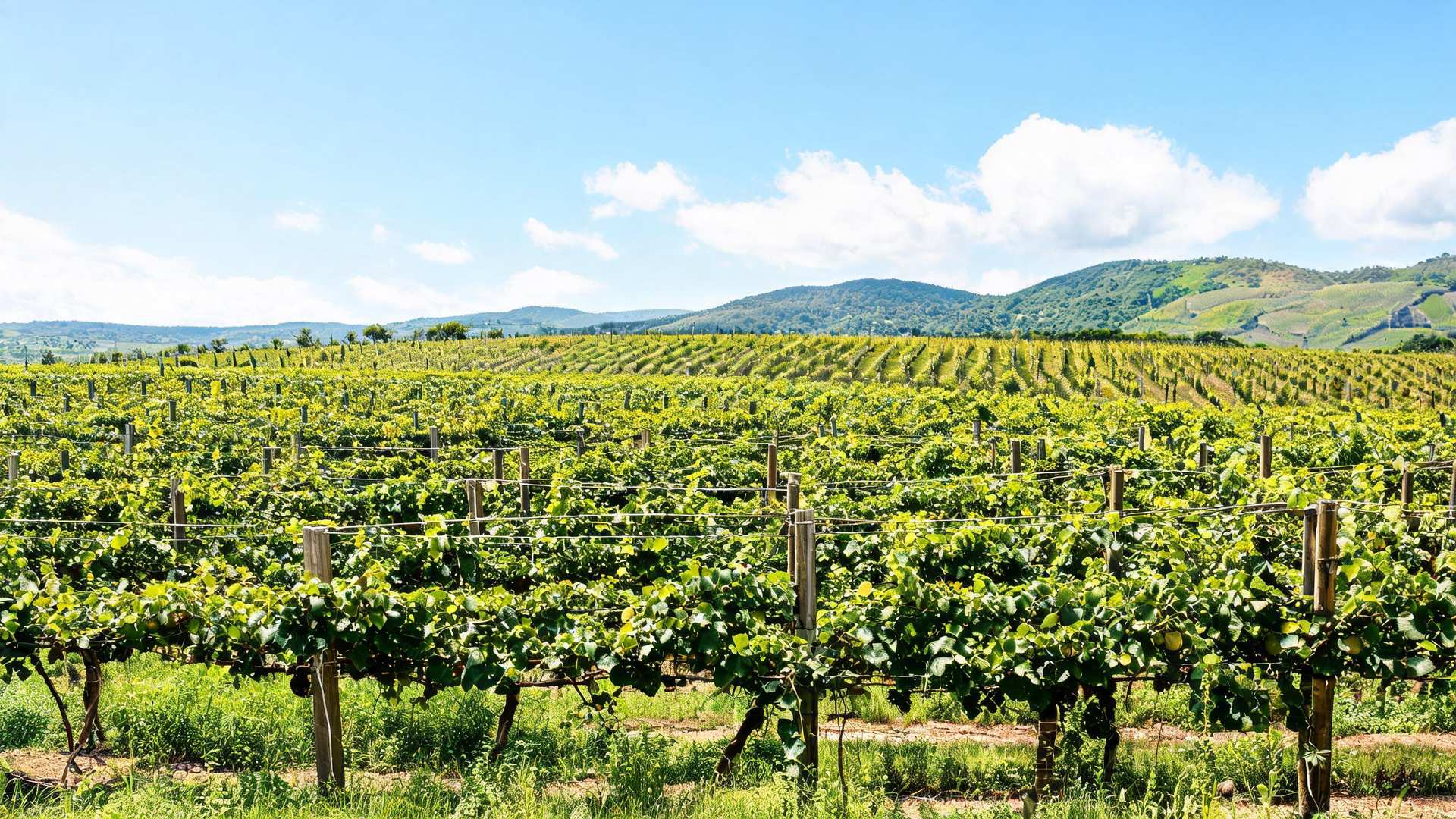
AI illustration on MiDeer Observer
Source: Fruit Portal
Disclaimer: This article is compiled from publicly available sources for general information only. The analysis and commentary are editorial opinions. MiDeer Observer does not guarantee the accuracy or completeness of the information provided. Readers should seek independent professional advice before relying on this content, or contact us for more information.