Summary
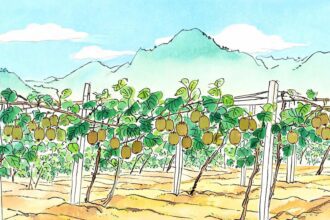
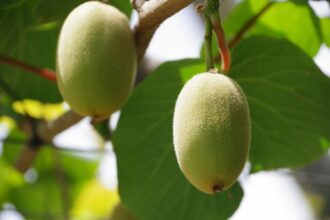
New Zealand's fresh fruit and vegetable sector posted export revenue of NZ$7.32 billion in the year to 30 June 2026, up 7 percent year on year, keeping it on course for the government's goal of doubling exports by 2034. United Fresh New Zealand, which represents the fresh produce industry, released the figures in Fresh Facts 2026 and put the sector's total value at NZ$9.87 billion, comprising NZ$7.32 billion in exports and NZ$2.55 billion in domestic consumption. Kiwifruit and apples led export growth, both setting records: kiwifruit export revenue reached NZ$4.2 billion, up 14 percent, while apple exports rose 6.1 percent to a record NZ$1.31 billion.
Fresh fruit exports totalled NZ$6.2 billion, fresh vegetable exports NZ$276 million and processed fruit and vegetable exports NZ$655 million. Asia remained the largest horticultural export region, accounting for 55 percent of exports, led by fresh fruit, while the EU and the wider European region was the second-largest market at 23 percent. United Fresh chair Jerry Prendergast said the result reflected the strength of New Zealand's horticulture industry and its international competitiveness, describing the NZ$7.32 billion export figure as a significant achievement at a time when growers face rising production costs and sustained economic pressure.
Kiwifruit and apples continued to perform strongly, and the industry was making encouraging progress towards the government's goal of doubling exports by 2034, he said.
Commentary
New Zealand horticultural exports reached NZ$7.32 billion in 2025/26, up 7 percent year on year, with kiwifruit and apples providing most of the increase. Kiwifruit exports of NZ$4.2 billion, up 14 percent, and apple exports of NZ$1.31 billion, up 6.1 percent, both set records. The result rests on variety advantages and market positioning built up over years: Zespri, the global kiwifruit marketing giant, controls about 30 percent of global trade volume, and its SunGold variety commands a premium in Asian markets including China.
In apples, New Zealand is dominated by varieties such as Royal Gala and Jazz, exported mainly to Asia and Europe, but in recent years it has faced price pressure from Southern Hemisphere competitors such as Chile and South Africa. For NZ SMEs, the doubling target implies incremental opportunities across the supply chain, but note that Asia accounts for 55 percent of exports, and that concentration brings geopolitical and logistics risk; the EU accounts for 23 percent, and tightening pesticide residue standards there may raise compliance costs. Domestic consumption of just NZ$2.55 billion also points to limited home demand, so firms should focus on diversifying export channels, for example into emerging markets in the Middle East and North America.
The strong performance of kiwifruit and apples has also lifted supporting industries such as packaging and cold-chain logistics, giving smaller firms an opening into higher-value services. Rising production costs and labour shortages remain industry-wide challenges, however, and while the government's target is encouraging, achieving it will require sustained investment in research and development, automation and market access.
Keywords: New Zealand fresh produce exports, kiwifruit, apples, United Fresh New Zealand, Fresh Facts 2026, export doubling target, Jerry Prendergast, Asian market, horticulture industry
AI illustration on MiDeer Observer
Source: Fruitnet
Disclaimer: This article is compiled from publicly available sources for general information only. The analysis and commentary are editorial opinions. MiDeer Observer does not guarantee the accuracy or completeness of the information provided. Readers should seek independent professional advice before relying on this content, or contact us for more information.