Summary
Radio New Zealand published an article on 14 September headlined 'China's booming coffee industry is challenging New Zealanders' idea of the perfect coffee', written by Liz Garton and translated by Wang Huicong. New Zealanders are discerning about the coffee they drink. Most of what they consume comes from traditional producers such as Brazil and Colombia, but Yunnan, a coffee-growing region in China, is quietly drawing attention.
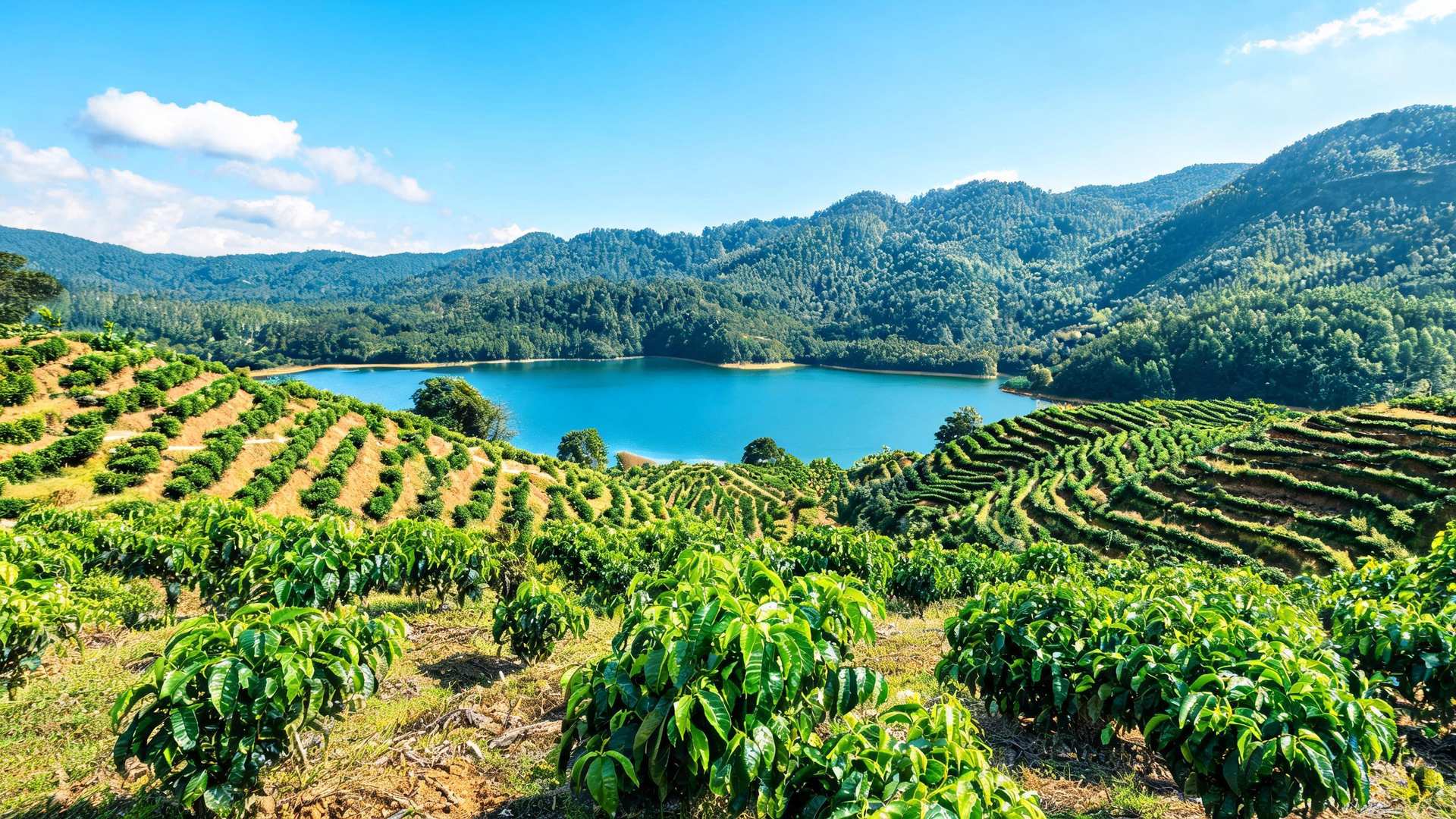
Sitting on the northern edge of the 'green belt' between the Tropic of Cancer and the Tropic of Capricorn, the region has spent the past 20 years building a solid reputation as an arabica producer. Kelly, co-founder of an Auckland coffee company, said a visit to coffee farms in Yunnan changed her understanding of coffee. Habouz, the company's head of education, said sustained investment, in-depth research and strong domestic demand have transformed China's coffee industry, and that Yunnan coffee is aromatic, full-bodied and layered.
Kelly added that 'they blend very well with milk', which suits New Zealanders' long-standing love of flat white. Most coffee grown in Yunnan is currently consumed in China, but New Zealand consumers have begun to see it at some specialty coffee roasters. Habouz also said Chinese specialty coffee drinkers tend to prefer pour-over or filter coffee over espresso, a preference closely tied to China's long tea-drinking tradition.
The New Zealand Specialty Coffee Association recently revived its long-suspended brewing competition, reflecting growing interest in pour-over and filter coffee.
Commentary
For local small business owners, the core value of Yunnan coffee entering the New Zealand specialty market lies in supply diversification and product differentiation. New Zealand ranks among the world's top countries for annual per-capita coffee consumption, yet its green bean supply is heavily concentrated in Brazil and Colombia. Extreme weather and logistics disruptions in Latin American growing regions have repeatedly pushed spot prices higher in recent years, squeezing margins for small roasters.
As China's largest coffee-producing region, Yunnan has steadily upgraded its arabica plantings, with some lots now cupping at specialty grade. Its strong affinity with milk suits New Zealand's dominant flat white and latte categories in particular, and it could serve as a sweetness component in blends. Yunnan's export volumes are limited, however.
The Chinese domestic market already absorbs most of its output, and smallholder farming leaves batch consistency uneven, so direct purchasing requires extra spending on cupping and supplier vetting. Another angle: the New Zealand Specialty Coffee Association's revival of the brewing competition reflects growth in filter and pour-over consumption, a setting in which Yunnan's floral and fruity profile shows better. That makes it well suited to seasonal single-origin offerings, using a provenance story to draw novelty-seeking customers.
Consumers still stereotype Chinese coffee as cheap commercial-grade beans, though, so market education will take time, and Yunnan's organic and traceability certification systems remain underdeveloped. To enter a local market that prizes sustainability narratives, buyers should prioritise lots with estate-level traceability records. The sensible path for now is small trial purchases paired with cupping sessions to verify quality control, rather than large-scale replacement of existing stock.
As the revived brewing competition creates more tasting occasions, Yunnan's flavour descriptions will become familiar to consumers faster, and roasters that build origin recognition early stand to gain a first-mover edge in the niche category.
Keywords: Yunnan coffee, New Zealand, arabica coffee, specialty coffee, coffee culture, filter coffee, pour-over coffee, flat white, Radio New Zealand, coffee industry
Source: Nujiang Grand Canyon Network
Disclaimer: This article is compiled from publicly available sources for general information only. The analysis and commentary are editorial opinions. MiDeer Observer does not guarantee the accuracy or completeness of the information provided. Readers should seek independent professional advice before relying on this content, or contact us for more information.