Summary
China's 43rd Antarctic expedition, organised by the Ministry of Natural Resources, departed for Antarctica on 7 November 2026, with a send-off ceremony held in Sanya. The mission is supported by the vessels Xuelong, Xuelong 2 and Dayang, and involves more than 600 personnel from over 100 domestic institutions. The team is expected to return to China in April 2027 after completing its tasks.
The expedition will improve polar research station and transport support systems, complete the final construction and acceptance work at the Qinling station, conduct survey and mapping of proposed supporting facilities for a station in Marie Byrd Land, and carry out preparatory work for upgrades to the Great Wall and Zhongshan stations. The team will conduct multidisciplinary integrated surveys and long-term monitoring in typical maritime areas including waters adjacent to the Antarctic Peninsula, the Cosmonaut Sea, Prydz Bay, the Ross Sea and the Amundsen Sea, covering physical oceanography, marine chemistry, marine biology, marine geology, the atmosphere and sea ice. It will continue the national key R&D programme task 'Antarctic Kiring Ice Lake Drilling', organise a National Natural Science Foundation shared voyage on 'Research on the mechanism for the cessation of subduction in the Scotia Sea plate and its resource effects', and test and apply domestically developed equipment in Antarctica, including the AR500 large unmanned helicopter and the THT550 tracked high-horsepower tractor for ice sheet verification.
The expedition will also cooperate with Norway, Chile and Bulgaria on research into the Antarctic ice sheet, geology and snow and ice environments, invite researchers from Thailand, France, Belgium and Portugal as well as from China's Hong Kong and Macao regions to participate, and continue practical cooperation in logistics support with the United States, the United Kingdom, Australia, New Zealand, Russia, Italy and South Africa. Sun Shuxian, Vice Minister of Natural Resources and Director of the State Oceanic Administration, and Bate'er, Standing Committee member of the Hainan Provincial Party Committee and Executive Vice Governor, attended the send-off ceremony.
Commentary
The departure of China's 43rd Antarctic expedition marks a stage in which China's polar research has become routine and systematised. Supported by three research vessels and involving more than 600 people, the mission is unprecedented in scale. It plans to complete construction at the Qinling station and begin upgrades to the Great Wall and Zhongshan stations, signalling that China's Antarctic infrastructure is shifting from individual sites to a networked operation.
For small and medium-sized enterprises in New Zealand, far away in the South Pacific, Antarctic research may seem remote but in fact holds potential commercial opportunities. New Zealand is one of the gateway countries to Antarctica, and Christchurch has long been an international Antarctic logistics hub through which the research teams of the United States, Italy, South Korea and other countries transit and resupply. Although China's research teams mainly depart from domestic ports, demand for specialised equipment, cold-resistant materials, precision instruments, polar food, communications and navigation continues to rise as Antarctic activity increases.
New Zealand firms have technical strengths in polar equipment, cold-chain logistics, environmental monitoring and renewable energy, and can enter the polar supply chain by participating in international tenders or cooperating with Chinese research institutions. On the other hand, China and New Zealand already have continuing cooperation in Antarctic logistics support, and this expedition explicitly mentions practical cooperation with New Zealand and other countries, providing a direct channel for local firms. In terms of industry trends, global investment in Antarctic research is increasing year by year, and commercial opportunities are extending from traditional resupply to high-tech services such as polar testing of drones and subglacial lake drilling technology.
New Zealand SMEs should monitor procurement needs for Chinese polar projects while using their own Antarctic operating experience to provide value-added services such as training, consulting and equipment maintenance. Antarctic governance involves complex issues including environmental protection, scientific research and resources. China-New Zealand cooperation on Antarctic affairs helps maintain the Antarctic Treaty system and creates stable expectations for businesses in both countries.
Keywords: Antarctic expedition, China's 43rd Antarctic expedition, Xuelong, Qinling station, Sanya send-off ceremony, polar research, multidisciplinary integrated survey, international cooperation, Ministry of Natural Resources
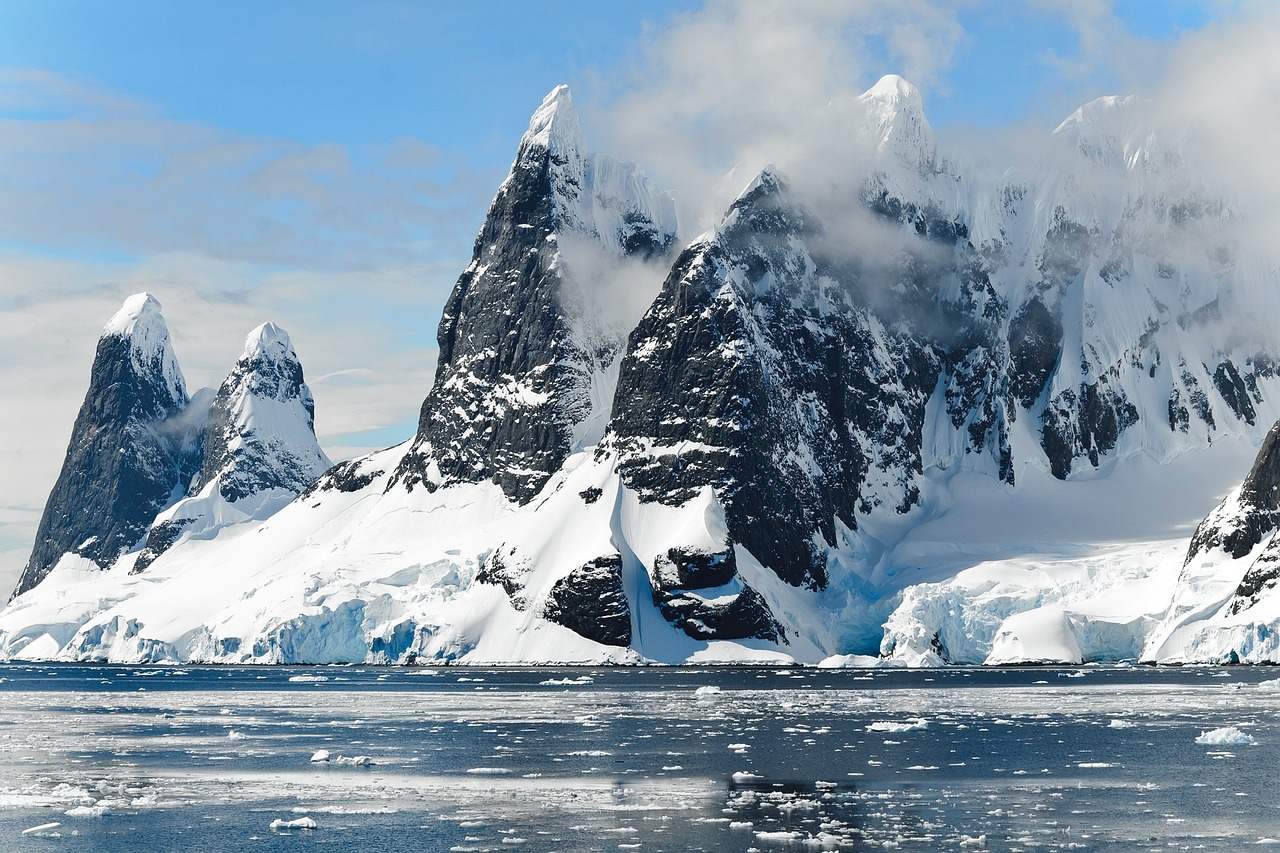
Photo by girlart39 on Pixabay
Source: Hainan Daily
Disclaimer: This article is compiled from publicly available sources for general information only. The analysis and commentary are editorial opinions. MiDeer Observer does not guarantee the accuracy or completeness of the information provided. Readers should seek independent professional advice before relying on this content, or contact us for more information.