Summary
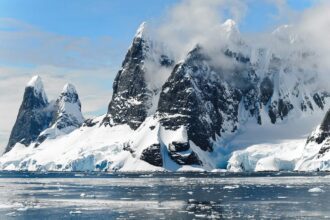
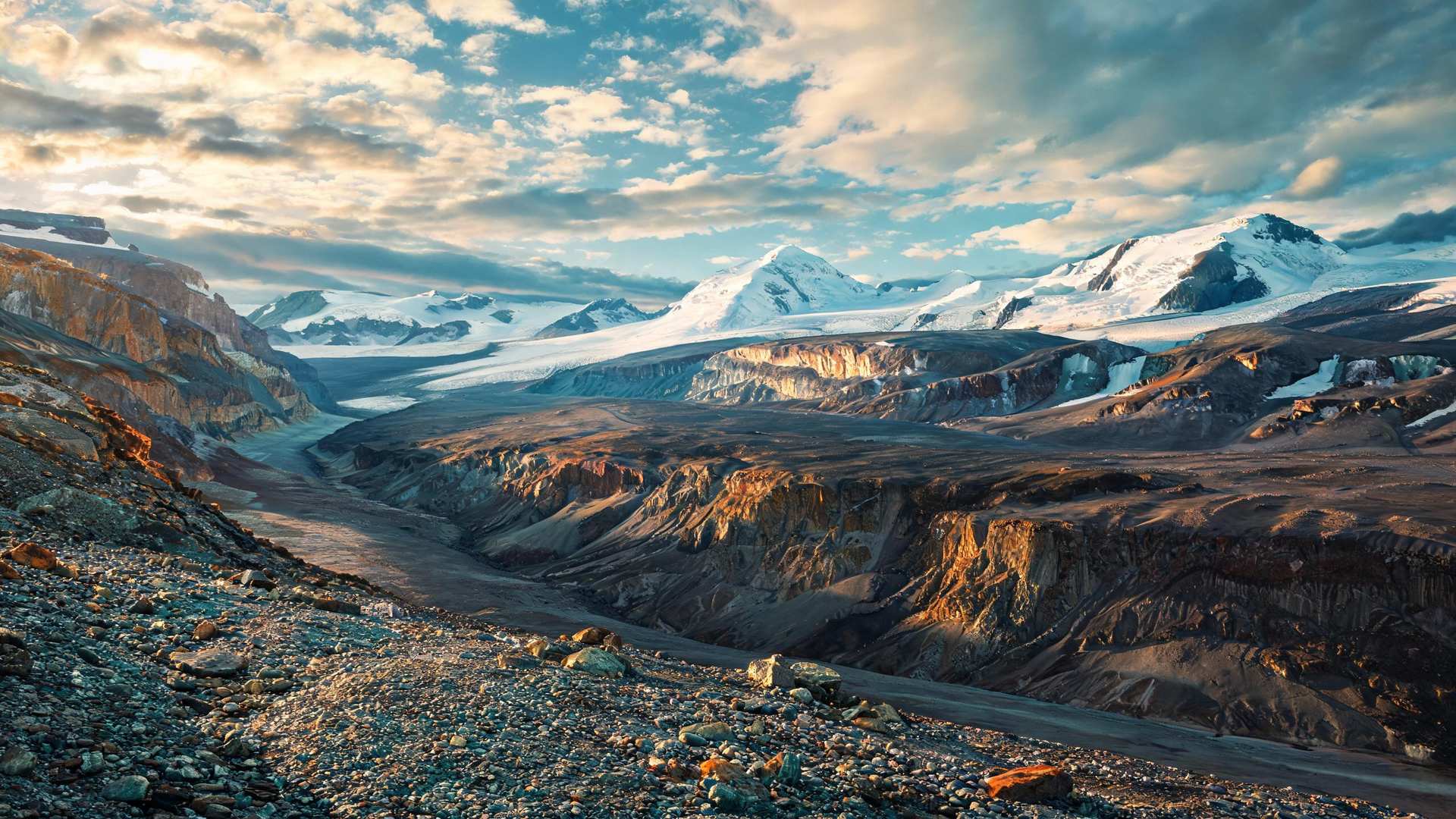
Boots, helicopters and field equipment may be helping tiny organisms hitchhike between some of Antarctica's most isolated environments, a new University of Waikato study shows. Researcher Dr Ang McGaughran, with researchers Ms Ashleigh Stanners and Dr Manpreet Dhami, collected samples during the 2024-25 Antarctic summer by piggybacking on routine weather station maintenance work. The study focused on the McMurdo Dry Valleys, Antarctica's largest ice-free area.
Sampling covered Scott Base and 10 field sites, including Miers Valley, Commonwealth Glacier, Victoria Valley and Don Juan Pond. The team collected soil samples and took DNA swabs from boot soles, helicopter landing gear, tents and equipment boxes, with samples sent to the University of Waikato's biosecurity laboratory in Hamilton for analysis. Results showed that helicopter landing gear samples contained a higher proportion of microbial variants previously detected at other sites than footwear samples.
Dr McGaughran said up to 73 percent of the microbes detected on footwear were also detected at sites previously visited on the same operational route. The researchers also tested equipment before use, after return and after cleaning, finding that cleaning changed the microbial profile on gear and reduced some overlap with local soils but did not eliminate all shared DNA signals. The research supports incorporating microbial monitoring into Antarctic biosecurity programmes and improving cleaning procedures, with a focus on footwear, shared equipment and helicopter contact surfaces.
Next steps include determining whether transferred microbes can survive, establish and affect Antarctic ecosystems.
Commentary
Antarctic field equipment may act as a vector for microbial spread, a finding that poses new challenges for Antarctic ecological protection. As a significant participant in Antarctic research, New Zealand needs to balance exploration and protection in its scientific activities. For NZ small and medium-sized enterprises, this could create demand for more efficient biosecurity cleaning technologies and products, such as disinfectants for extreme environments and portable cleaning equipment.
At the same time, as Antarctic tourism and research activity increase, related environmental standards may become stricter, and businesses need to watch future compliance requirements. The research also serves as a reminder that climate change may exacerbate the risk of microbial dispersal, potentially affecting the long-term landscape of Antarctic resource development and scientific cooperation.
Keywords: University of Waikato, Antarctica, McMurdo Dry Valleys, microbial spread, biosecurity, DNA sequencing, field equipment, Ang McGaughran
AI illustration on MiDeer Observer
Source: Magnitude 4.2 earthquake 15km north of Opunake, Taranaki
Disclaimer: This article is compiled from publicly available sources for general information only. The analysis and commentary are editorial opinions. MiDeer Observer does not guarantee the accuracy or completeness of the information provided. Readers should seek independent professional advice before relying on this content, or contact us for more information.