Summary
New Zealand exported USD 903,000 of oak (Quercus spp. ) in 2024, ranking 38th among 91 exporting countries with a 0.043% share of global exports. The product was the country's 1,181st largest export out of 4,556 goods.
Indonesia was the top destination at USD 738,000, followed by Malaysia (USD 76,500), Spain (USD 47,800), Fiji (USD 20,000) and Samoa (USD 18,800). Between 2023 and 2024, the fastest-growing markets were Indonesia (up USD 696,000), Malaysia (up USD 48,900) and Fiji (up USD 17,600).
Commentary
New Zealand's oak exports are modest—just USD 903,000 in 2024—but momentum is building. Exports to Indonesia surged by nearly USD 700,000 year on year, reflecting rising Southeast Asian demand for high-value hardwoods. The global oak trade is dominated by the United States, France and Germany, and New Zealand's share remains below 0.05%.
Yet as a major radiata pine exporter, New Zealand has well-developed wood processing and export infrastructure and the potential to expand into higher-value hardwoods. For NZ SMEs, oak demand from Indonesia's expanding furniture manufacturing sector is worth watching. Firms could explore stable supply relationships with local manufacturers while keeping an eye on emerging markets such as Malaysia and Fiji.
However, oak is not a traditional strength for New Zealand, and local resources are limited. Export growth may depend on imported re-processing or specific planting projects, so businesses need to assess sustainable supply capacity. In addition, global oak prices are volatile due to European pest outbreaks and Russian timber sanctions, and New Zealand exporters should watch competition from substitute hardwoods such as American white oak.
Keywords: wood exports, oak (Quercus spp.), HS6 44.07.91, New Zealand exports, Indonesia, Malaysia, export market share
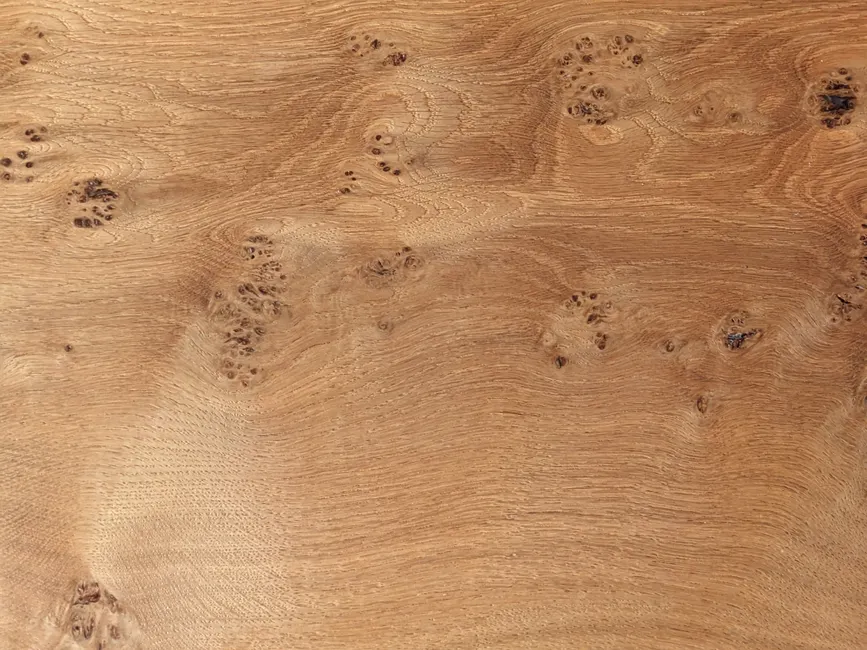
Photo by Chris Steele on Pexels
Disclaimer: This article is compiled from publicly available sources for general information only. The analysis and commentary are editorial opinions. MiDeer Observer does not guarantee the accuracy or completeness of the information provided. Readers should seek independent professional advice before relying on this content, or contact us for more information.