Summary
New Zealand's national dairy production broke through the 2 billion kgMS mark for the first time in the 2025/26 season. DairyNZ chair Tracy Brown said most processors paid farmers more than NZ$9 per kgMS, leaving many farms in a strong financial position entering the new season. She said the outlook for 2026/27 is cautiously optimistic, with strong fundamentals for New Zealand dairy, though global uncertainty, protectionism and food security concerns continue to affect trade.
DairyNZ forecasts the breakeven milk price will rise to NZ$8.79 per kgMS, driven by fertiliser, feed, fuel and interest costs, and says planning is critical given a likely El Niño event that could add feed pressure. DairyNZ chief executive Campbell Parker said the 2025/26 season was outstanding, with milk production at a record high and export revenue reaching a record NZ$28.6 billion (about EUR14.3 billion). Despite extreme weather, rising on-farm costs and volatility in the Global Dairy Trade auction index during the season, dairy remains a pillar of the New Zealand economy, with one in every four dollars of goods and services revenue coming from the sector.
Parker said DairyNZ is leading a multi-year Responsible Dairy programme aimed at accelerating innovation, lifting technology adoption and delivering productivity and environmental gains faster, strengthening the resilience of New Zealand's most valuable export industry.
Commentary
New Zealand dairy has broken through 2 billion kgMS for the first time, and record export revenue of NZ$28.6 billion reaffirms dairy's place as the backbone of the national economy. Fonterra, the world's largest dairy exporter, is paying a high farmgate milk price that reflects strong global demand for New Zealand dairy, but cost pressure on smaller and mid-sized processors should not be overlooked. DairyNZ's forecast breakeven milk price of NZ$8.79 per kgMS means rising feed, fertiliser and interest costs are eroding farm margins, and smaller farms in particular will need tighter cost control.
From a trade perspective, growing protectionism and food security concerns could affect access to key markets; China, the largest single market, is expanding domestic milk supply and diversifying imports, which is having a structural effect on import dependence. Small and medium-sized New Zealand businesses should look at differentiated opportunities in higher-value products such as organic grass-fed milk powder and functional dairy ingredients, and use the upgraded NZ-China free trade agreement to extend into second- and third-tier Chinese cities. Feed pressure from a likely El Niño could push up farming costs, and firms should consider locking in forward feed contracts or exploring local alternative feed sources.
Dairy export revenue accounts for a quarter of New Zealand's goods and services revenue, a concentration that is both a strength and a risk; SMEs need to invest more in supply chain resilience, for example by joining DairyNZ's Responsible Dairy programme to access innovation support and environmental compliance advantages.
Keywords: New Zealand dairy, milk solids production, 2 billion kgMS, DairyNZ, export revenue, breakeven milk price, Tracy Brown, Campbell Parker, Responsible Dairy programme
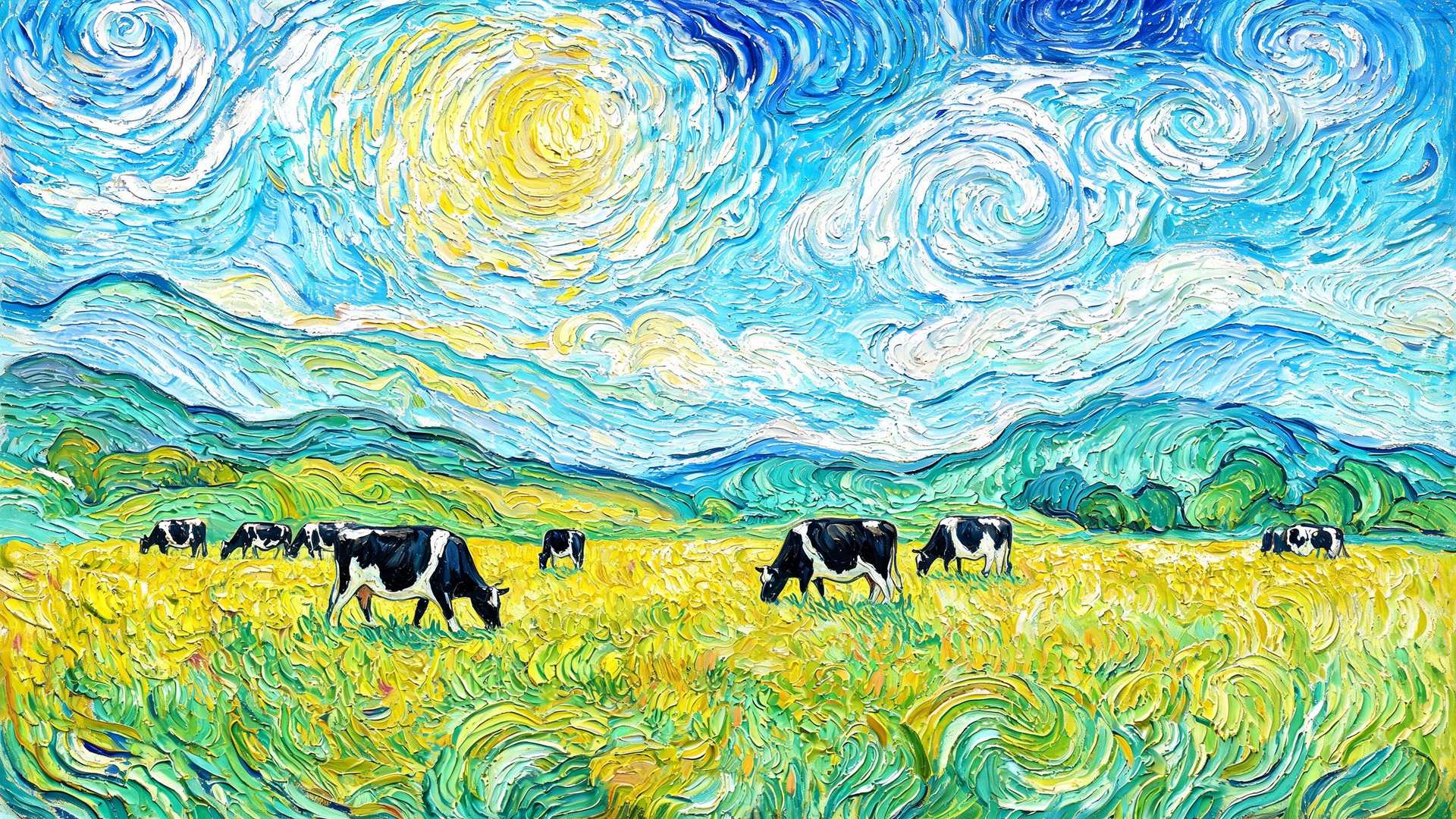
AI illustration on MiDeer Observer
Source: Dairy Industries International
Disclaimer: This article is compiled from publicly available sources for general information only. The analysis and commentary are editorial opinions. MiDeer Observer does not guarantee the accuracy or completeness of the information provided. Readers should seek independent professional advice before relying on this content, or contact us for more information.