Summary
The Ministry for Primary Industries (MPI) is working to reduce non-tariff trade barriers (NTBs) affecting agricultural exports, with regulatory requirements estimated to cost New Zealand about NZ$10 billion (US$5.7b) a year. Diana Reaich, head of MPI's trade and international relations group, said the ministry is focused on helping exporters navigate market requirements and improving market access under free trade agreements (FTAs), including a recently negotiated deal with India. NTBs include requirements for apple orchards to have pest traps manually inspected at locations specified by the importing country, while other restrictions involve product standards and labelling regulations.
Reaich said trade requirements are becoming more complex, especially in Southeast Asia, where countries are introducing or revising regulations. "Non-tariff barriers are not new, but they are becoming more diverse and complex. We see, for example, Southeast Asian countries introducing more detailed rules, or changing rules for different reasons.
Our job is to help exporters navigate this complexity and, where possible, negotiate alternative ways to meet these requirements," she said. MPI is also working with overseas regulators to address market access restrictions. Reaich said food security policies are influencing import requirements, and that established trade relationships help resolve regulatory issues.
Commentary
The Ministry for Primary Industries estimates that non-tariff trade barriers cost exporters about NZ$10b a year, equivalent to nearly one-fifth of the total value of New Zealand's primary sector exports. For export-dependent small and medium-sized enterprises (SMEs), such barriers are often more hidden and damaging than tariffs. Take apple exports: importing countries require orchards to have pest traps manually inspected at designated locations.
This looks like a technical measure but in practice significantly increases compliance costs and time, placing a heavy burden on SMEs, especially those without overseas teams. Southeast Asia is becoming an important growth market for New Zealand agricultural products, but regulatory rules in various countries are becoming more detailed and changing frequently—for example, Indonesia's halal certification requirements and Vietnam's new phytosanitary rules—which can leave shipments stranded at ports for weeks. Notably, MPI is pushing for alternative compliance solutions through FTA upgrades and bilateral negotiations, such as the SPS cooperation mechanism included in the newly signed agreement with India, which provides an institutional channel for exporters to reduce compliance costs.
However, SMEs themselves also need to respond proactively: on the one hand, they can use MPI's overseas market access information platform to learn about regulatory developments in target countries in advance; on the other hand, they can join industry associations in standard mutual recognition negotiations to avoid going it alone. From an industry perspective, Australia and the EU—major competitors in New Zealand's dairy, meat and horticultural products—are both increasing investment in addressing non-tariff barriers. If New Zealand companies fail to adapt in time, they may lose market share in Asia.
The complexity of non-tariff barriers is also reflected in their intersection with food security policies; for example, some countries restrict imports on the grounds of ensuring domestic supply, requiring exporters to understand not only commercial terms but also the political and economic logic of importing countries. For New Zealand SME owners, it is recommended to incorporate compliance costs into export pricing models and to use MPI's trade remedy and technical support services, rather than relying solely on traditional tariff preferences.
Keywords: non-tariff trade barriers, Ministry for Primary Industries, agricultural exports, free trade agreements, market access, Southeast Asia, regulatory requirements, apple orchard pest inspection, food security policy, Diana Reaich
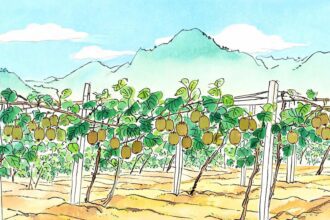
AI illustration on MiDeer Observer
Source: FreshPlaza
Disclaimer: This article is compiled from publicly available sources for general information only. The analysis and commentary are editorial opinions. MiDeer Observer does not guarantee the accuracy or completeness of the information provided. Readers should seek independent professional advice before relying on this content, or contact us for more information.