Summary
The Ministry for Primary Industries reported that the benchmark price for P1 grade (pruned) radiata pine saw logs delivered to New Zealand sawmills rose 1.50 percent quarter-on-quarter and 0.8 percent year-on-year in the third quarter of 2026, averaging NZ$208 per tonne — the highest level since the first quarter of 1995. P2 grade pruned saw log prices rose 2.3 percent quarter-on-quarter but fell 2 percent year-on-year, averaging NZ$175 per tonne. Unpruned S1 grade saw logs rose 1.2 percent quarter-on-quarter and fell 0.3 percent year-on-year, averaging NZ$135 per tonne; S2 grade rose 0.1 percent quarter-on-quarter and 1.5 percent year-on-year, averaging NZ$129 per tonne.
Unpruned L1 and L2 grade saw logs fell 1 percent quarter-on-quarter and 1.8 percent year-on-year, averaging NZ$118 per tonne; S3 and L3 grades rose 2.3 percent quarter-on-quarter and 1.5 percent year-on-year, averaging NZ$112 per tonne. Pulp log prices rose 6 percent quarter-on-quarter and 6.7 percent year-on-year, averaging NZ$68 per tonne.
Commentary
New Zealand radiata pine log prices showed divergent trends in the third quarter of 2026. P1 grade saw log prices reached NZ$208 per tonne, the highest since 1995, while pulp log prices jumped 6 percent quarter-on-quarter, reflecting differing supply and demand conditions across market segments. As the world's largest exporter of radiata pine, New Zealand's log price movements directly affect the margins of small and medium-sized forestry enterprises and sawmills.
P1 grade logs are mainly used for high-grade construction and furniture timber, and their firm prices indicate that global construction demand for quality timber remains strong. China, the largest importer of New Zealand logs, is a key influence, with property policy adjustments and infrastructure investment significantly shaping prices. The surge in pulp log prices may be linked to restocking cycles in China's paper industry, but the substitution effect from expanding domestic pulp capacity in China warrants attention.
For New Zealand SME owners, rising log prices benefit forest owners but put cost pressure on sawmills and wood processors, who need to respond by improving recovery rates, optimising product mix, or developing higher-value markets. Exchange rate fluctuations and changes in shipping costs also affect actual export returns. New Zealand's forestry sector has long relied on the Chinese market; businesses should monitor changes in China's timber import policies, such as log import bans or tariff adjustments, and consider diversifying export markets to emerging demand regions such as India and Southeast Asia to reduce single-market risk.
Keywords: New Zealand log prices, radiata pine, Ministry for Primary Industries, saw logs, pulp logs, third quarter, quarter-on-quarter rise, New Zealand dollar
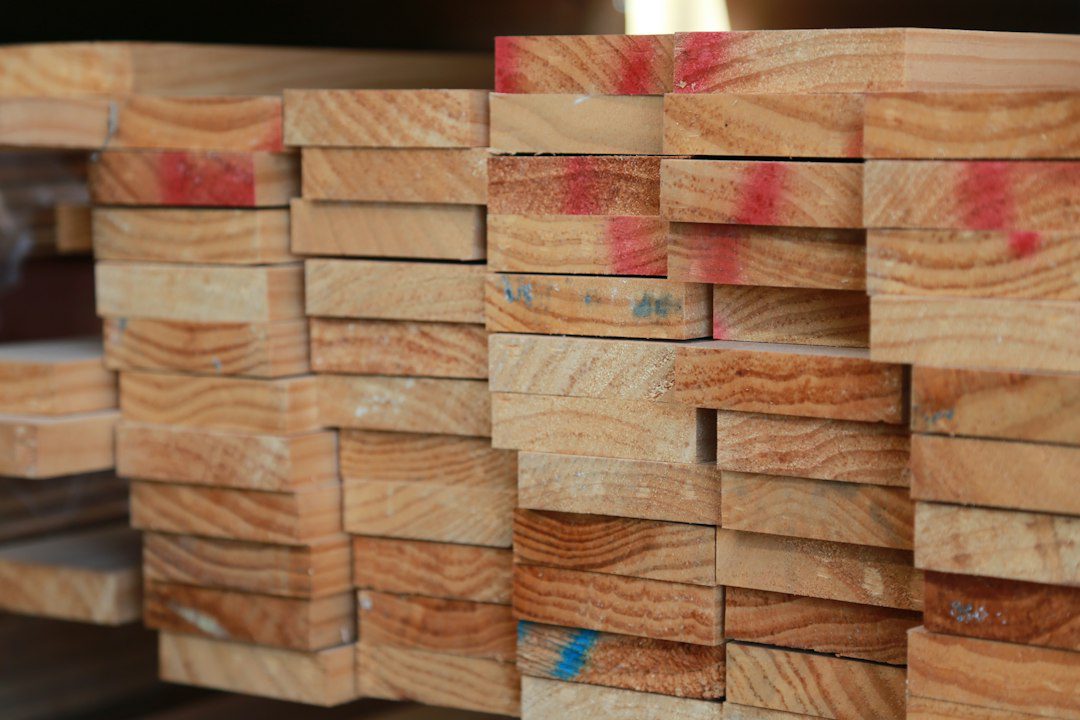
Photo by LUCIA LU on Unsplash
Source: K&H LUMBER
Disclaimer: This article is compiled from publicly available sources for general information only. The analysis and commentary are editorial opinions. MiDeer Observer does not guarantee the accuracy or completeness of the information provided. Readers should seek independent professional advice before relying on this content, or contact us for more information.